
Butterflies and alien invaders
Text Steve Woodhall Photographs Steve Woodhall or as credited
Do we have invasive alien butterflies (or moths)?
The answer to this question is ‘no’. At least not in KwaZulu-Natal. And it depends on how one defines the words ‘alien’ or ‘invasive’.
In the Western Cape during the early 1990s the European ‘Large White’ butterfly (often called the ‘Cabbage White’ in the UK) became established near Cape Town. It was probably imported with a containerload of farm equipment that had been parked near a cabbage field in Europe and had become infested with pupae that survived the journey.
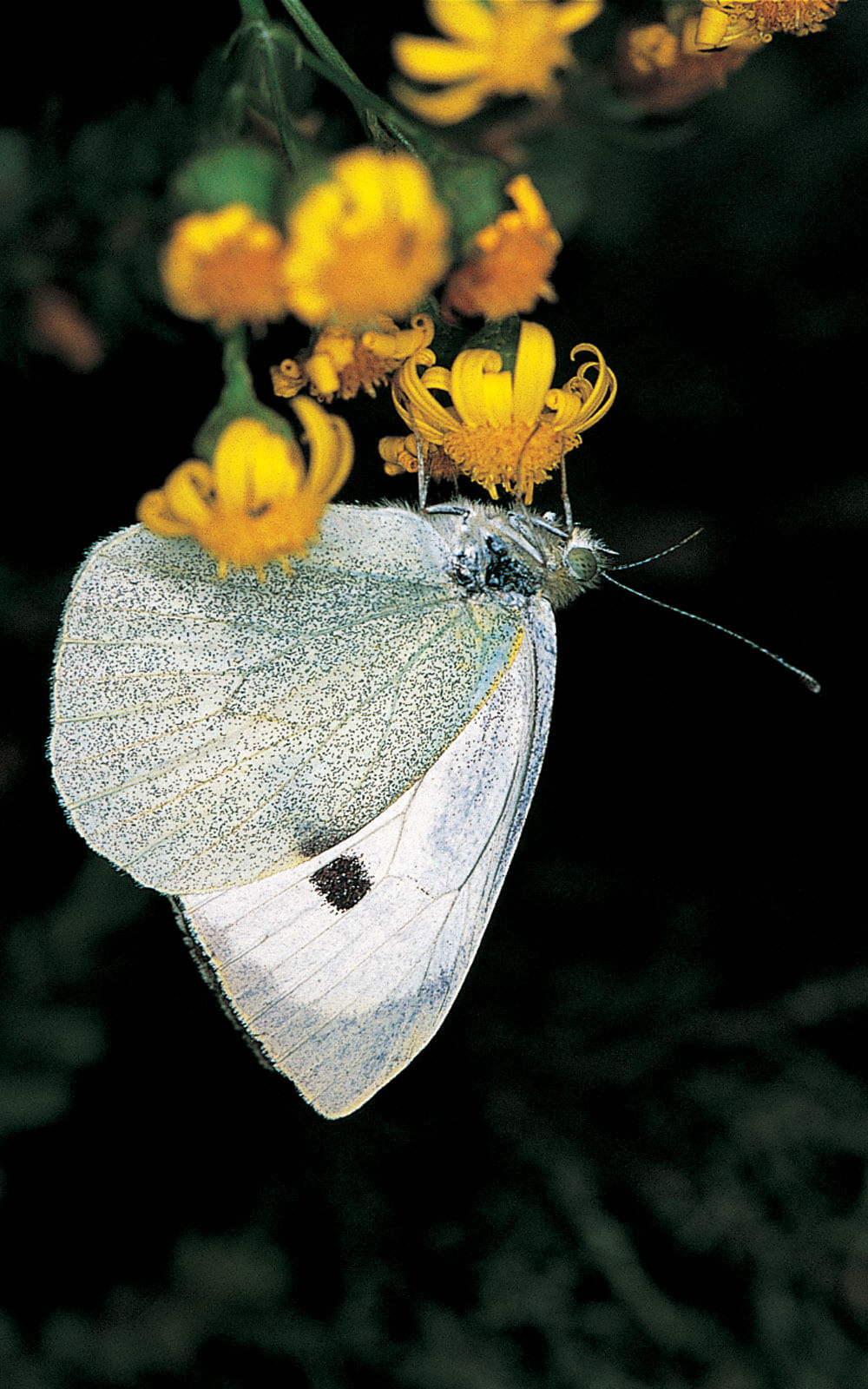
Pieris brassicae, the European ‘Large White’
With butterflies and moths, it appears that a certain critical number of live aliens is needed to trigger an invasion, and this may have been the case with the Large White. They were immediately noticed in numbers, and they already had their native parasitoid wasps with them (which were also invaders). It has not reached the pest proportions it has at home; the caterpillars seem to prefer Nasturtiums here. It has spread as far as Plettenberg Bay to the east and Swakopmund to the north-west but subtropical conditions seem to disagree with it.
Absence of biotic and abiotic ecological factors that support the alien insects might be a reason why we don’t see more of them. South Africa has a few ‘flight houses’ that exhibit exotic butterfly and moth species. These are subject to strict regulations as to what may and may not be imported – it can only be done under permit. There was at one point a flight house in Pietermaritzburg that had exotic species flying. Certain blue Morpho butterflies (whose larvae will happily feed on Milletia species) could be seen there. Also present were the huge Owl Butterflies (Caligo species) which are pests of banana plantations in their native Central America. Ezemvelo KZN Wildlife was particularly worried about those… but even though there must have been some escapes they never got established like the Large Whites were.
The unfriendly ecology around Pietermaritzburg was probably a reason why escapees never got a foothold. The area is much more arid than their home countries are and lacking sufficient host plants.
There is one example of a South African butterfly that became an alien invader in Europe. That one did get a friendly welcome! The Geranium Bronze, Cacyreus marshalli, became established in Spain in the 1990s where it severely affected the local potted geranium plant industry. Due to the popularity of cultivated Pelargonium and Geranium species in Europe (which are all based on South African species) it spread widely and has even reached England. It first appeared in in the Balearic Islands, possibly via purloined plants imported for hybridisation reasons. It wasn’t noticed until it became a problem because the early stages are small and hard to see.
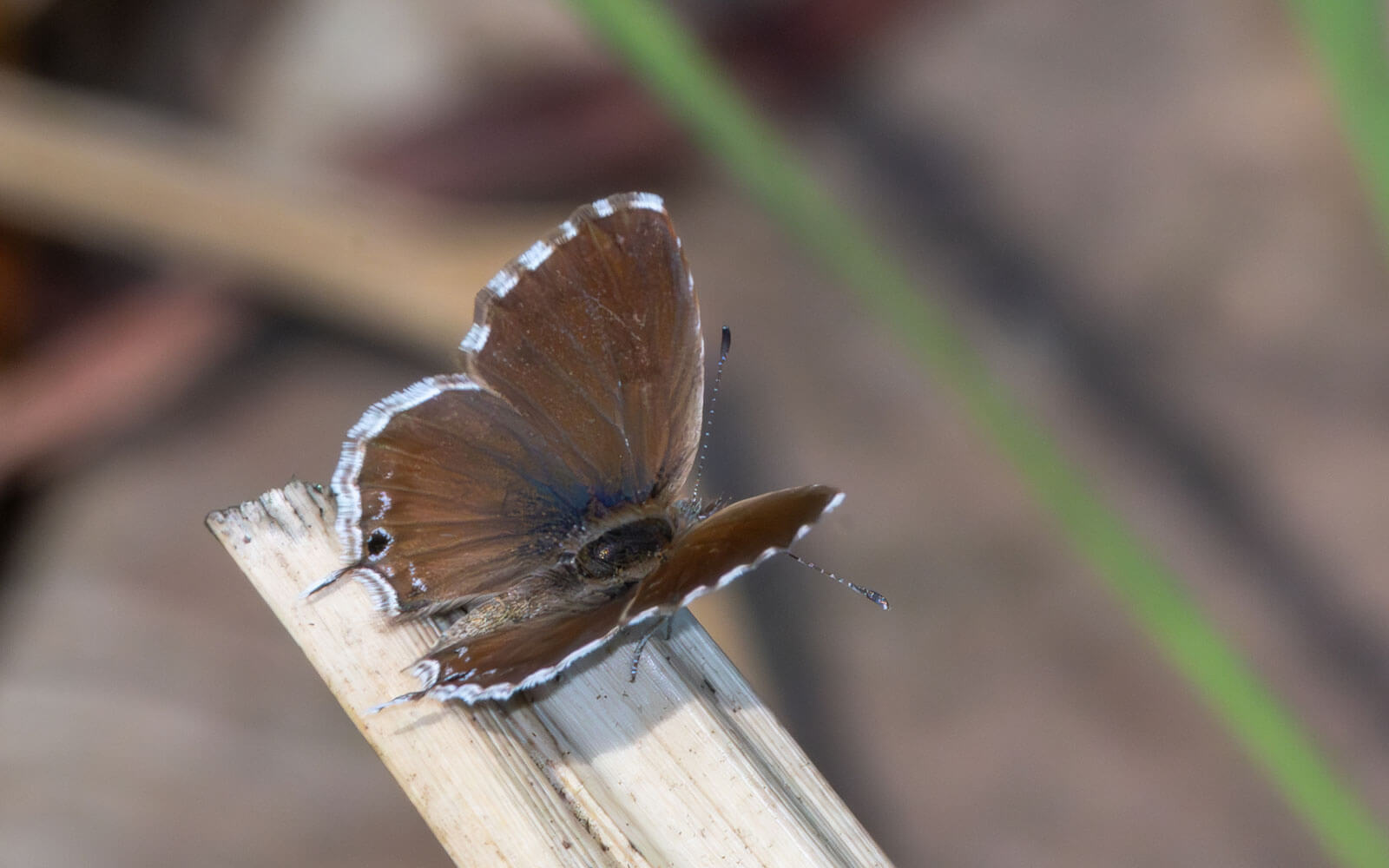
Geranium Bronze is a local butterfly that invaded Europe, where many gardeners probably don’t appreciate what its caterpillars do to their potted geraniums!
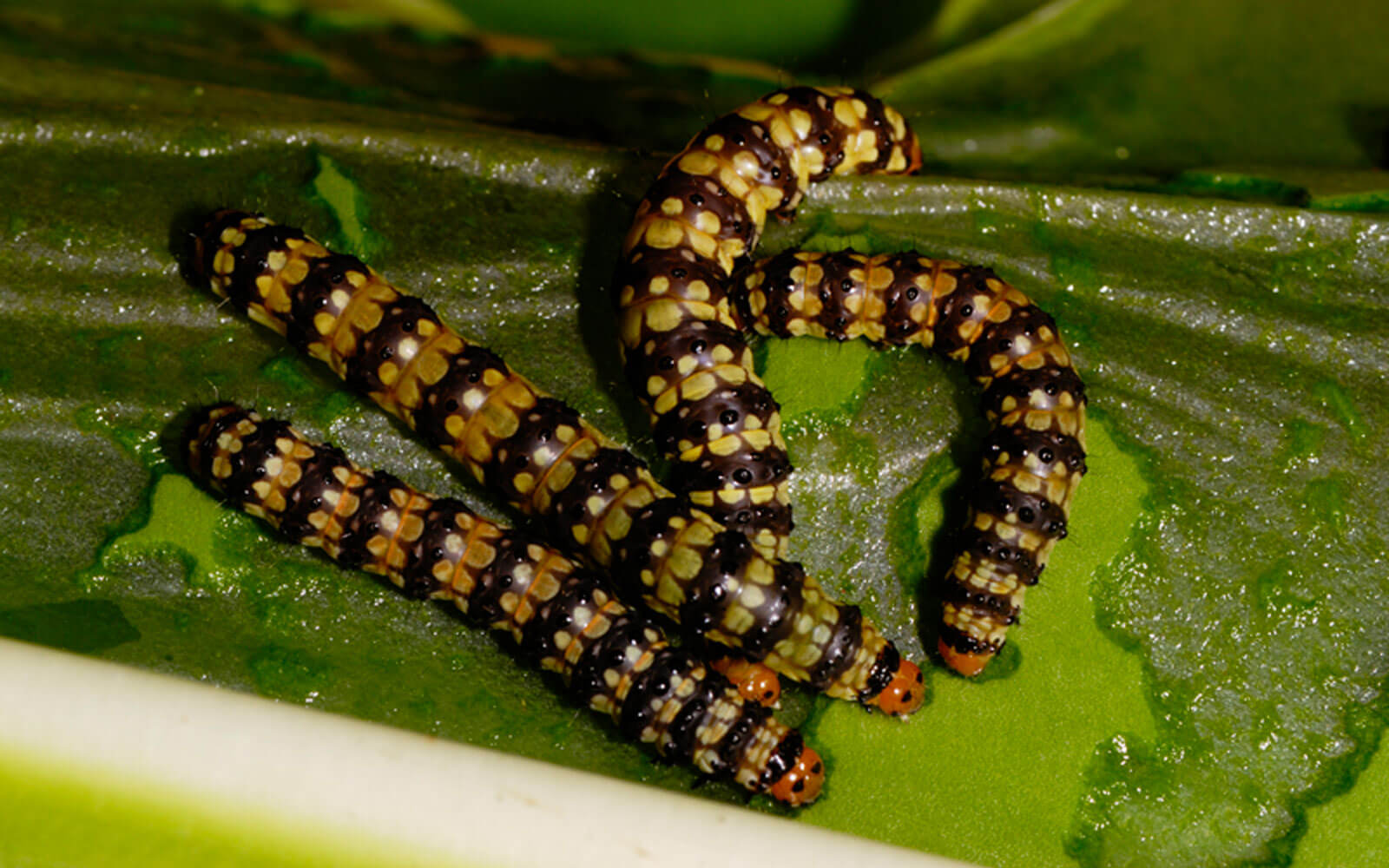
There is a moth that gets unfairly labelled as an invasive alien, but it isn’t. This is presumably because it gives affected gardeners an excuse to hate them and justify throwing the contents of the poison cupboard at them. I’m talking about the Amaryllis Borer, Brithys crini, an innocent looking little moth whose caterpillars love Clivias and other plants in that family. It’s an extremely widespread species found all over tropical Africa, southern Europe, and Asia as far east as Japan, to Australia.
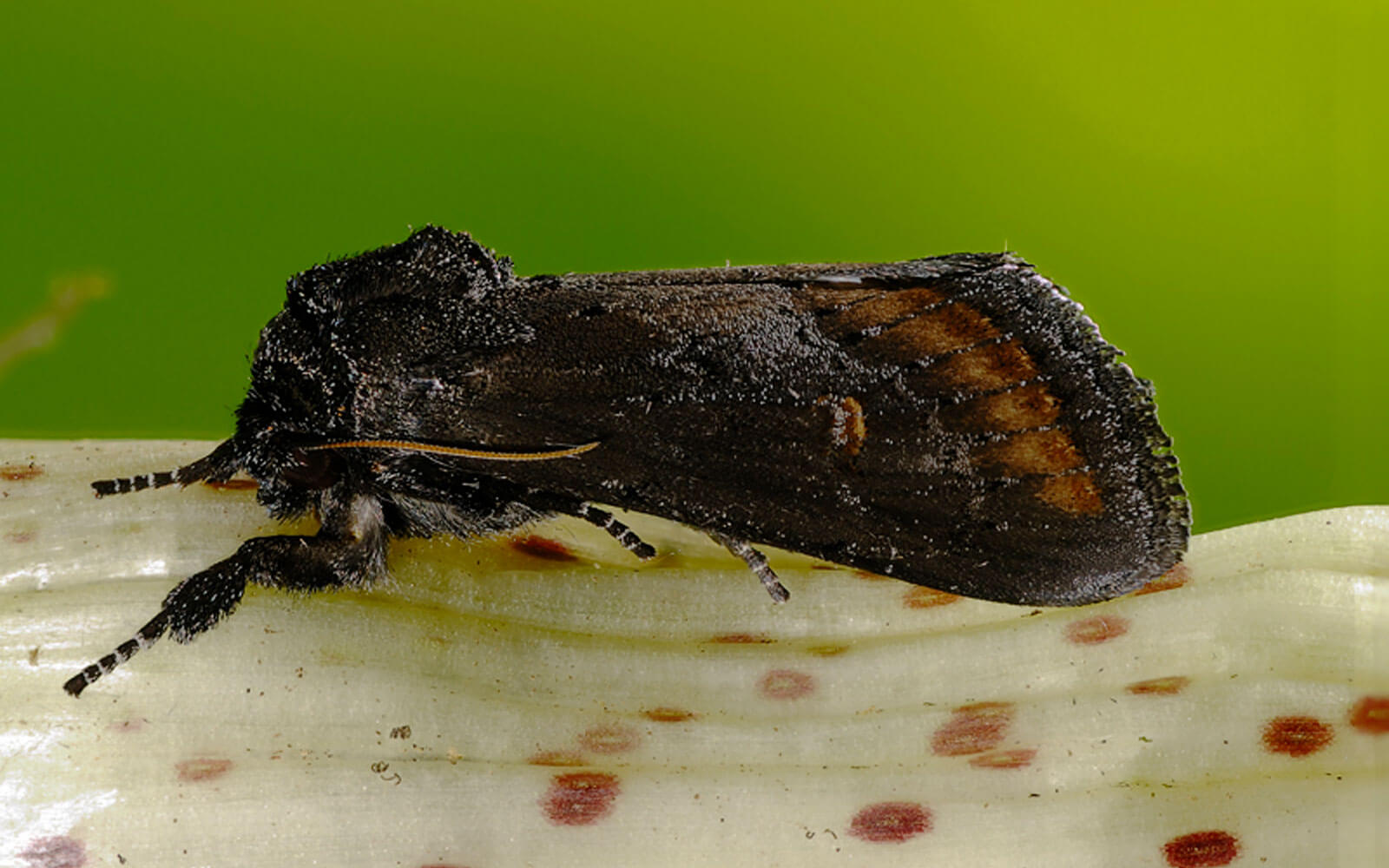
Amaryllis Borer adult moth
Truth be told, South Africa is invaded every year by hordes of migratory butterflies coming from the north – the Painted Lady, Vanessa cardui. Like the Amaryllis Borer moth they have a wide distribution, and are no more invasive, but they are pretty and their caterpillars feed on weeds, so they get a free pass!
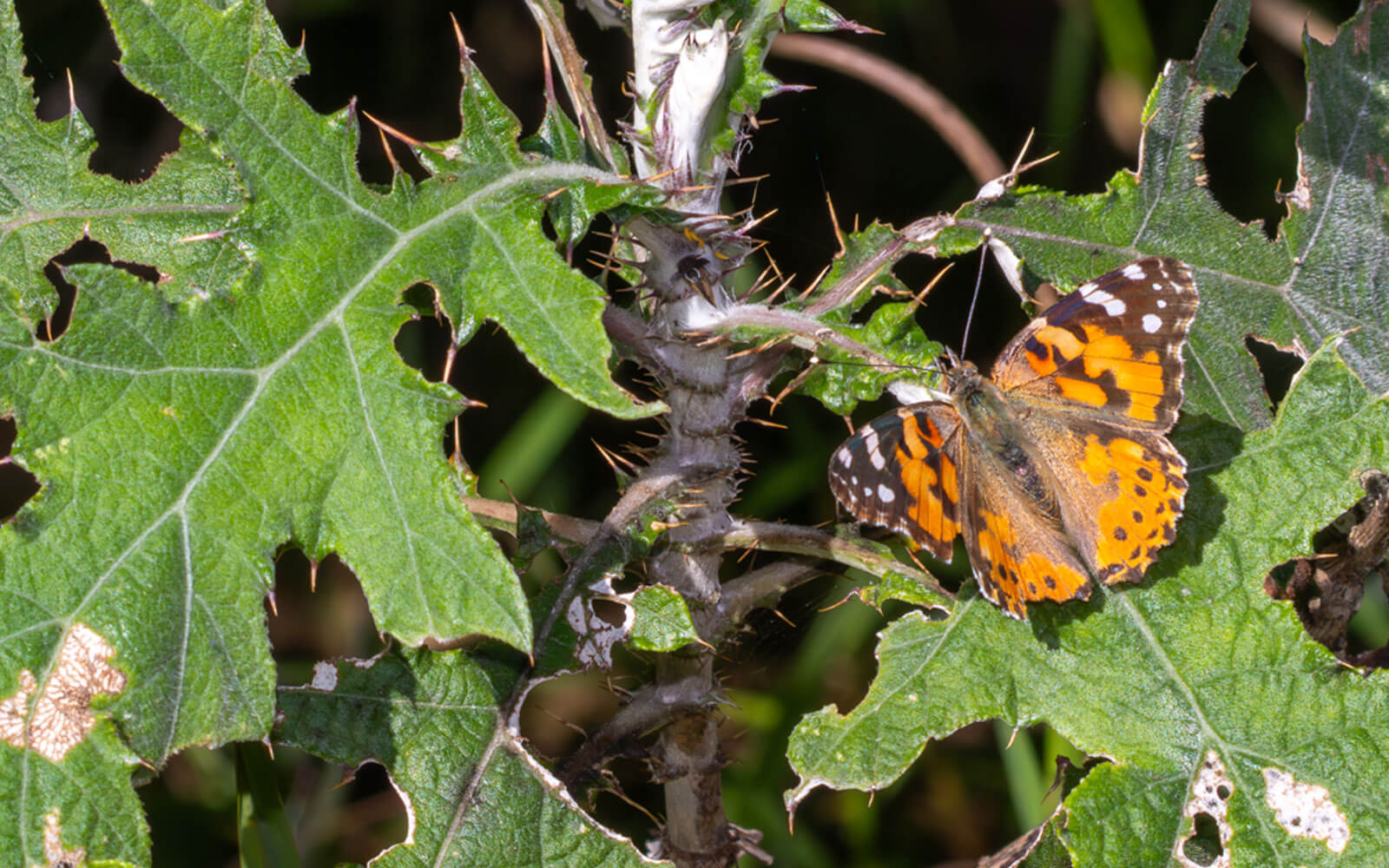
A female Painted Lady laying eggs on Berkheya bipinnatifida
Berkheya bipinnatifida is an indigenous thistle that also gets unfairly labelled as an alien, probably because it’s a scruffy pioneer herb. But it’s very much an African plant and an important host for this migratory butterfly. That female may have come all the way from Kenya, so she’s also technically an invader…
Butterfly and moth relationships with invasive plants
It’s no secret that South Africa contains many species of alien plant, several of which are definitely invasive. It’s sometimes said that gardeners who plant non-indigenous plants are starving local species that don’t see them as food. That may be the case in some instances but there are lots of exceptions to that rule.
One of them is the use of nectar, and here we should mention Cherry-pie, Lantana camara. This is a well known ‘butterfly magnet’ that often gets planted for that reason, and that it flowers almost year-round.
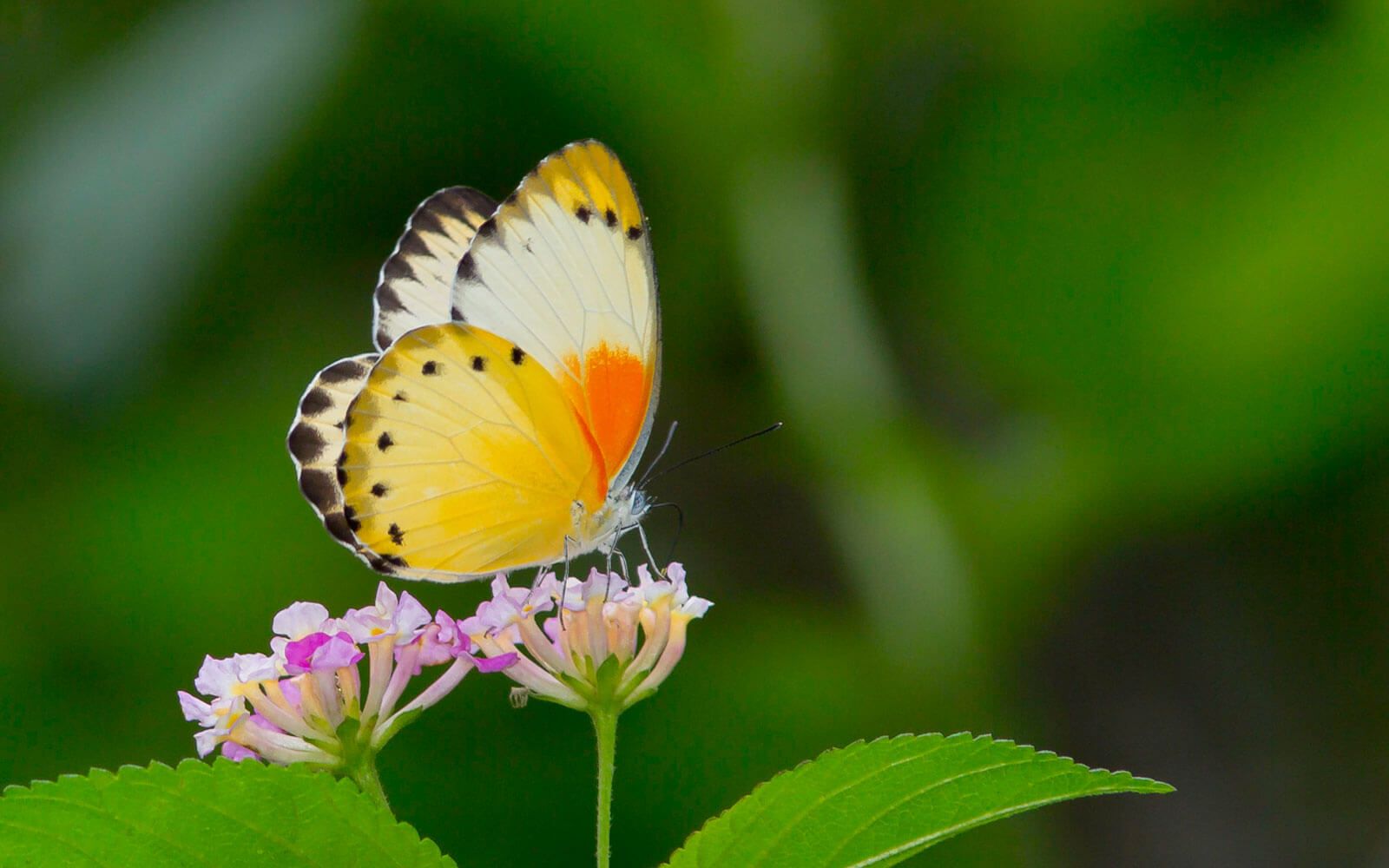
False Dotted Border Belenois thysa enjoying the nectar from Lantana blossom.
Cherry-pie is a terrible invader in Kloof and the rest of KZN. Anyone who has visited sites like Wekeweke Falls near Shongweni will attest to how a huge infestation of this plant attracts clouds of butterflies. But eventually, it creates dense monocultures that shade out indigenous plants and eventually reduce the numbers of butterflies in an area.
If butterflies are important to your garden there are plenty of locally indigenous plants that you can use to replace Lantana camara. One of them is Smooth Tinderwood Volkameria glabra. It can have just as much floral density as Cherry-pie and birds are just as fond of its fruit – and it’s not invasive.
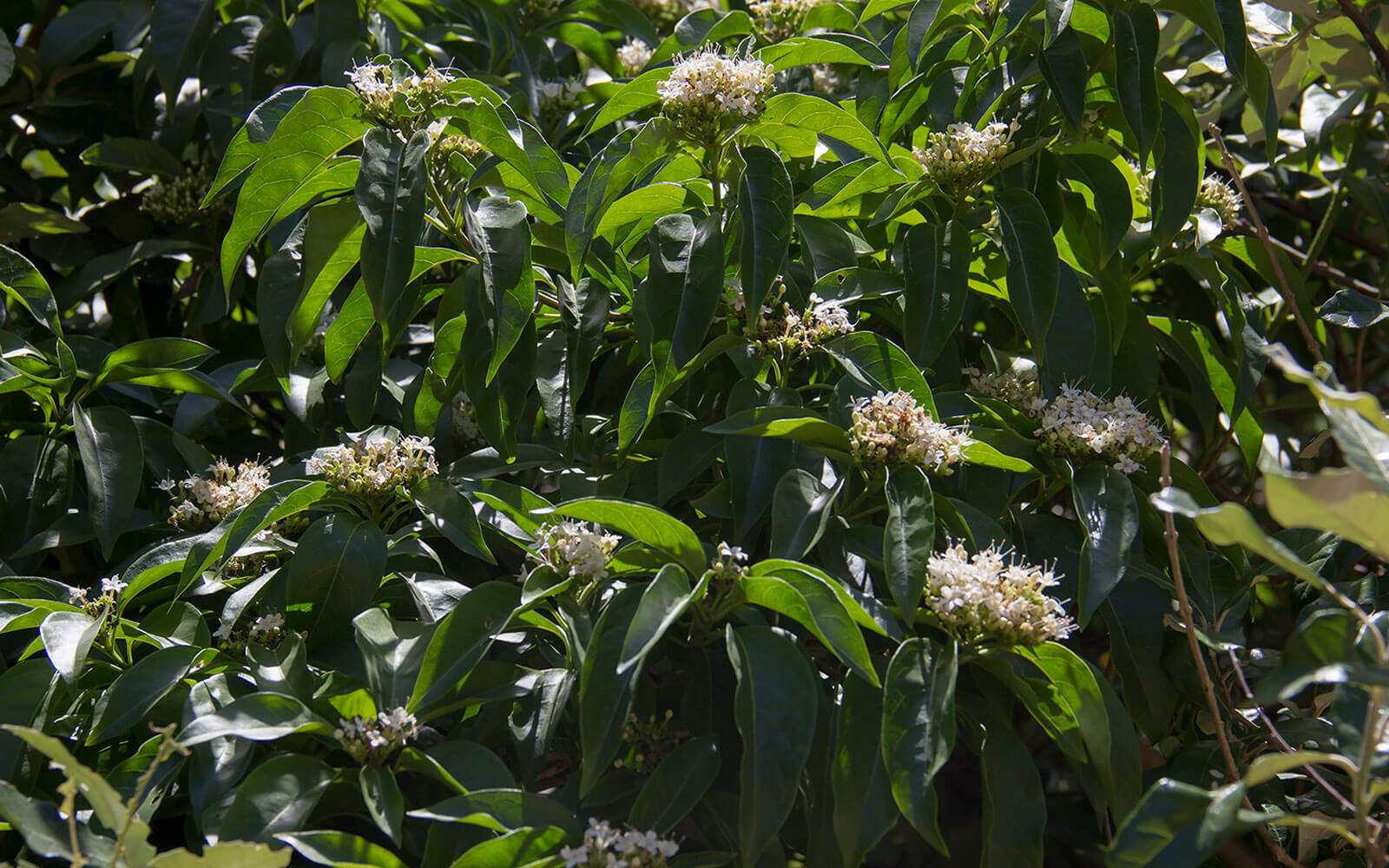
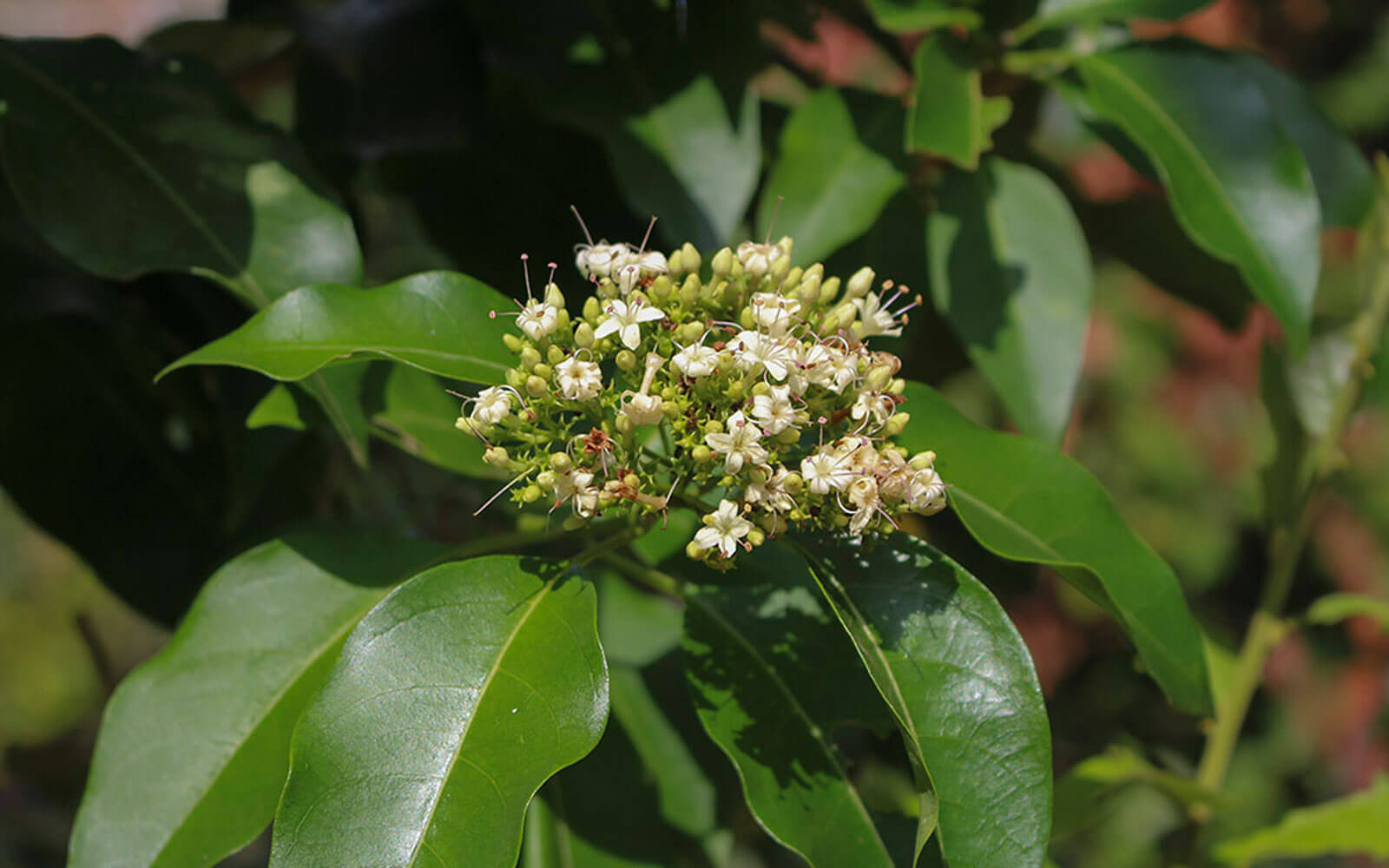
Smooth Tinderwood (also known as Cat’s-whiskers) is a garden subject that is just as attractive to butterflies as Cherry-pie is.
A few South African butterfly species have taken to using invasive alien plants as caterpillar food. One example is the African Blue Pansy, Junonia orithya madagascariensis. For years this was known to use Snapdragon (Antirrhinum majus) which is a southern European species grown locally in gardens. Later on, its local host plant was found to be Wild Penstemon Graderia subintegra, a root parasite that grows in grasslands. It was known mainly as a butterfly of grasslands and grassy savanna, the Drakensberg being a good place to see it. It occurred sparingly in areas like Krantzkloof Nature Reserve.
Then in the early 00’s when Citizen Science was just getting going with LepiMAP, it was found to be spreading rapidly to the south-west, eventually reaching Cape Town. One of the LepiMAP team, Dr Craig Peter, investigated and found that it had switched onto Ribwort Plantain, Plantago lanceolata, an invasive weed that grows along roadsides. It had penetrated the Karoo and Fynbos biomes as a result.
It’s not too surprising since the plant is host to the larvae of several other Junonia species around the world, including the nominate subspecies of Junonia orithya in Asia. Antirrhinum majus is in the same plant family, Plantaginaceae. Butterflies are excellent botanists!
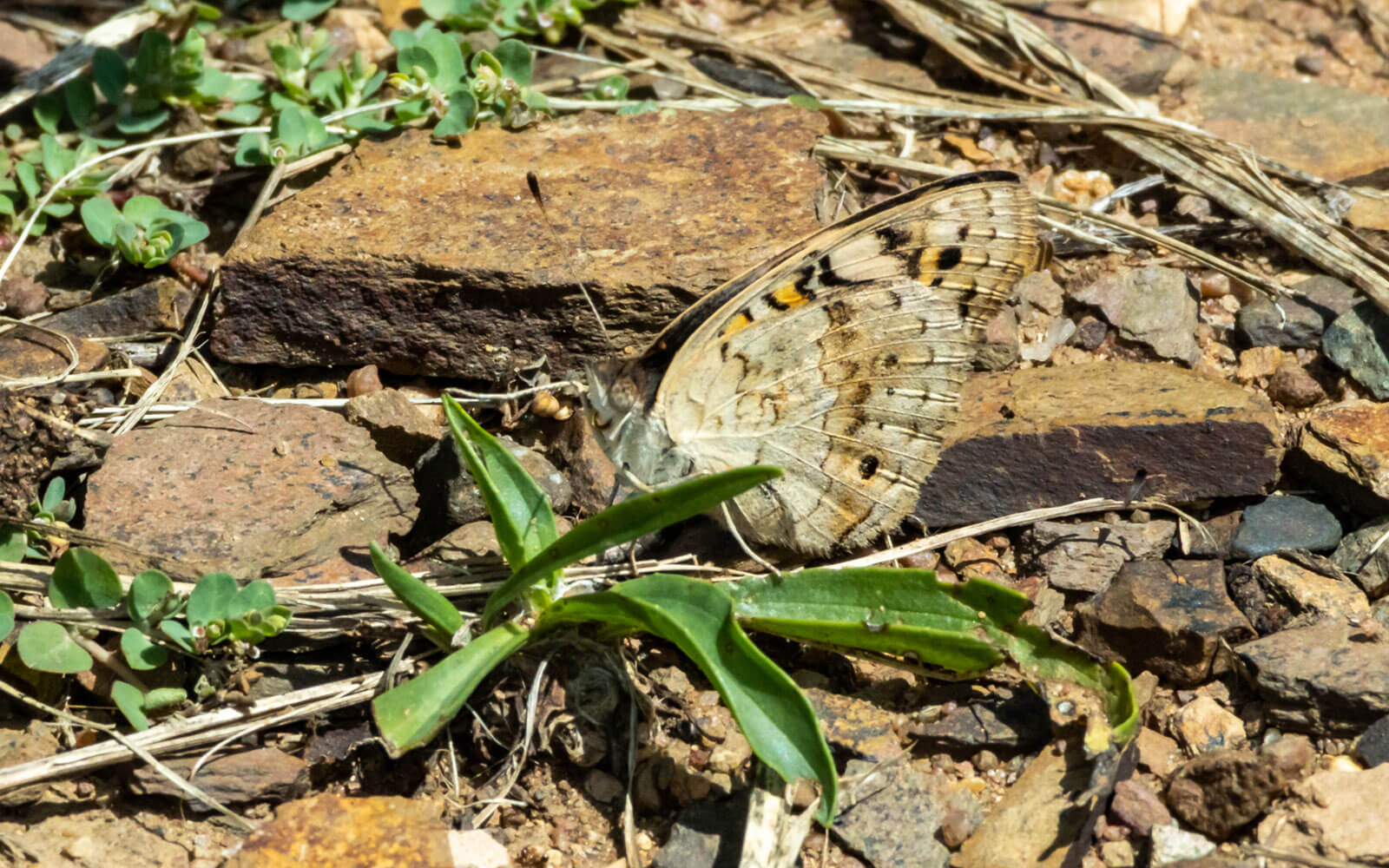
A female African Blue Pansy laying eggs on Ribwort Plantain Plantago lanceolata at Tala Nature Reserve
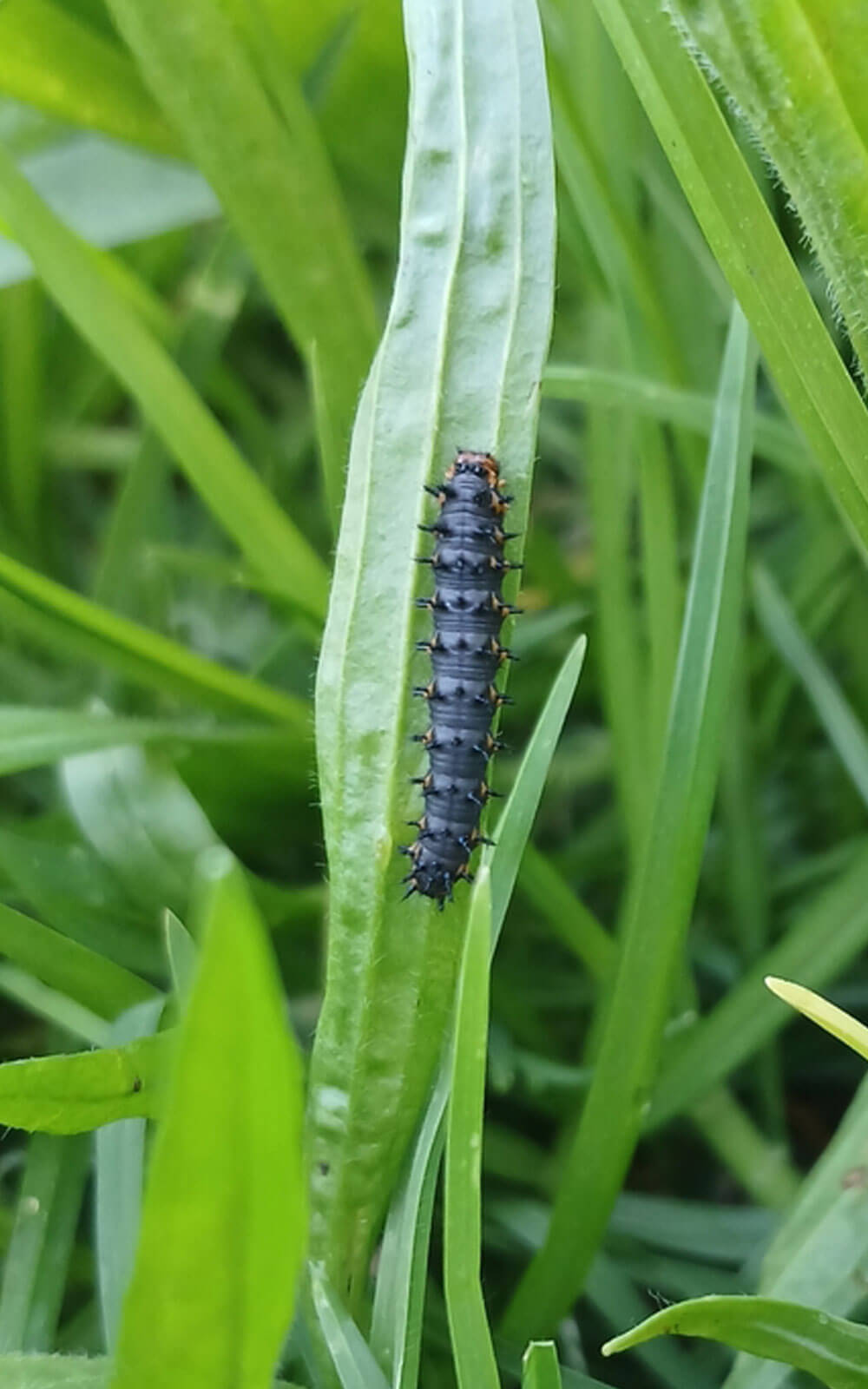
African Blue Pansy caterpillar on Plantago lanceolata
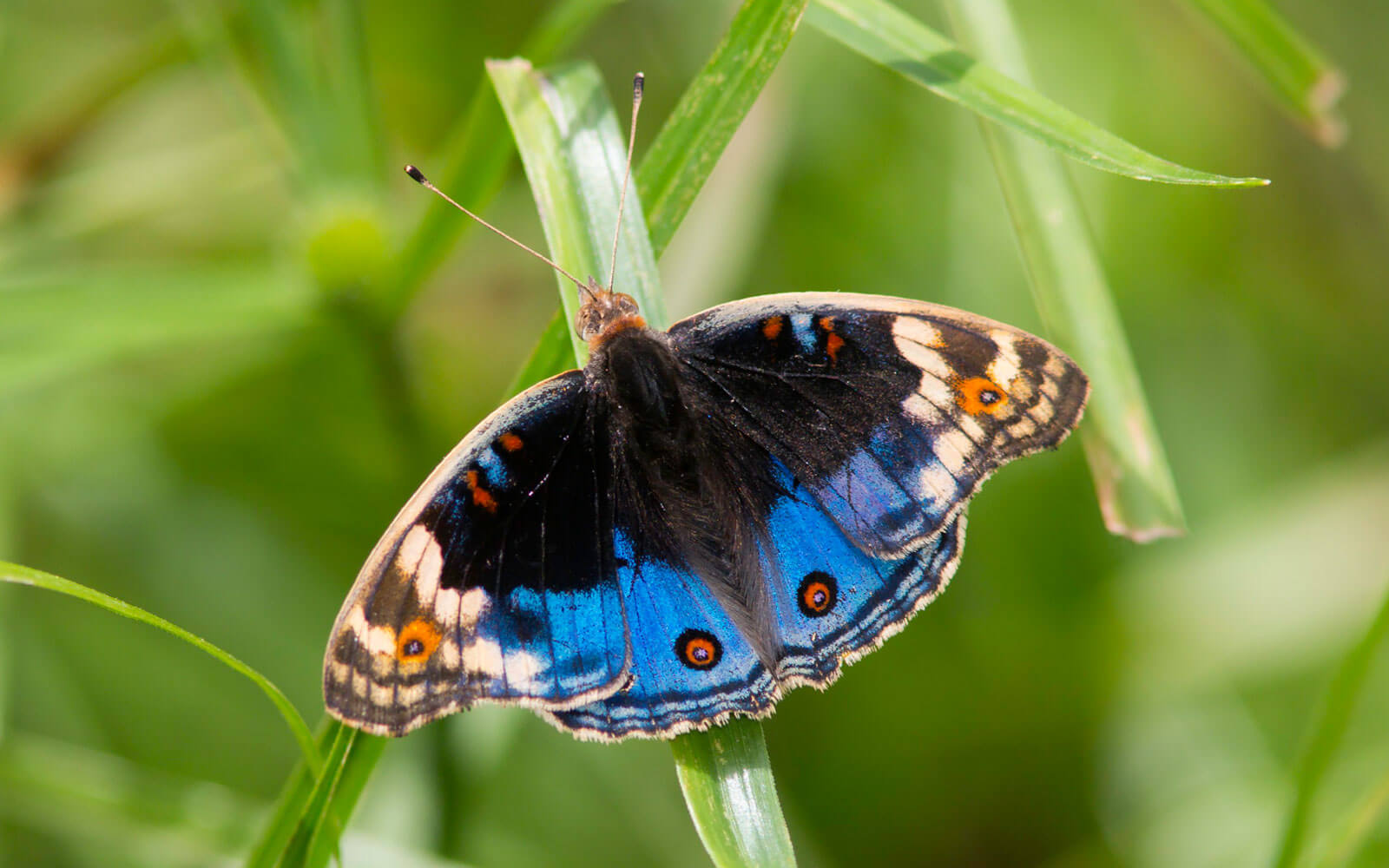
A male African Blue Pansy photographed in Gillitts
They can often be seen flying along the railway line next to Igwababa Road between Kloof and Gillitts, where there is plenty of Plantago lanceolata.
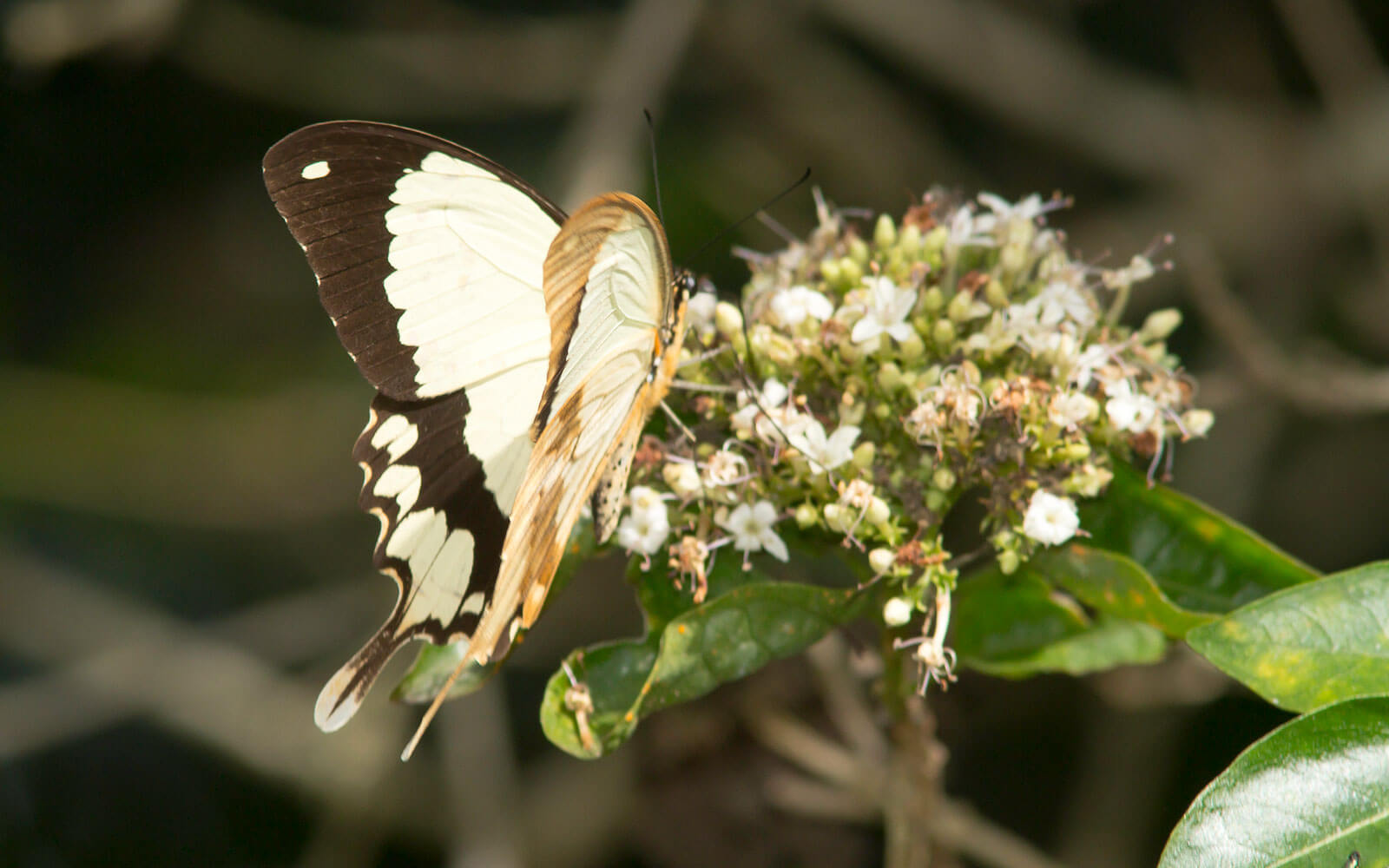
Another butterfly that has moved onto an invasive alien plant is the Southern White-barred Emperor, Charaxes brutus natalensis. The ‘traditional’ local host plants for this were Mahoganies, Trichilia species, and Cape Ash, Ekebergia capensis. Then in the early 00s it was found to have spread as far as Cape Town. At first, we thought that this was due to towns in the Western Cape planting Mahoganies as street trees, having bought infested stock from suppliers in KZN. Then I noticed females laying eggs on White Syringa, Melia azedarach. This had been known as a host plant for many years, but this female was ignoring a nearby Mahogany. White Syringa is found almost everywhere in South Africa, and the butterfly is now found in Johannesburg, where White Syringa is particularly common along watercourses. It is in the same plant family, Meliaceae, as Mahogany.
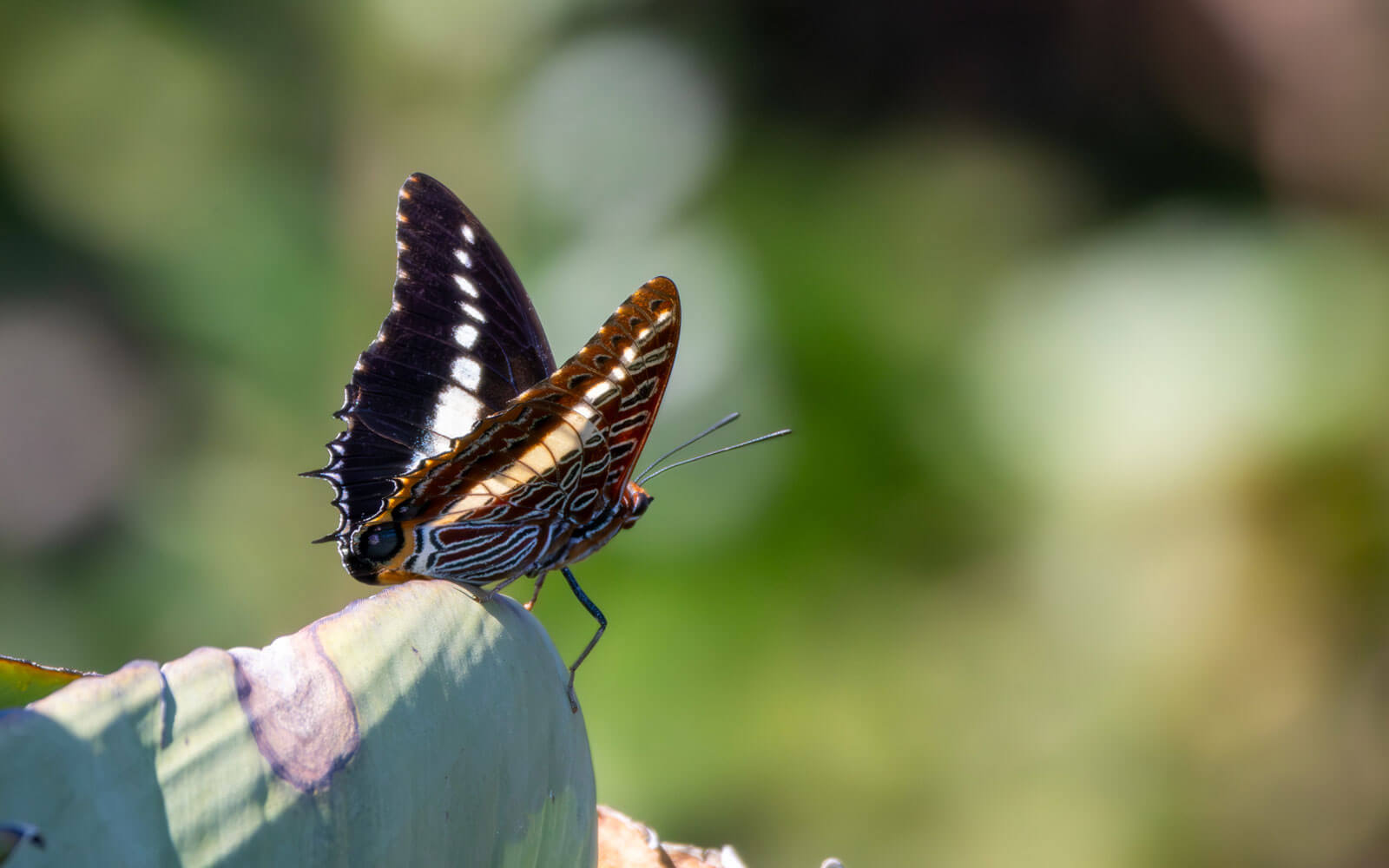
A male Southern White-barred Emperor surveying his canopy territory in Giba Gorge
We are not sure what has driven the recent southwards movement of the Southern White-barred Emperor. White Syringa has always been a common and widespread alien plant in this country, and it was first recorded as a host plant in the 19th century. Maybe the culprit is climate change, moving warm, humid weather further south, triggering the range extension.
There is one butterfly whose southwards extension is almost certainly climate related.
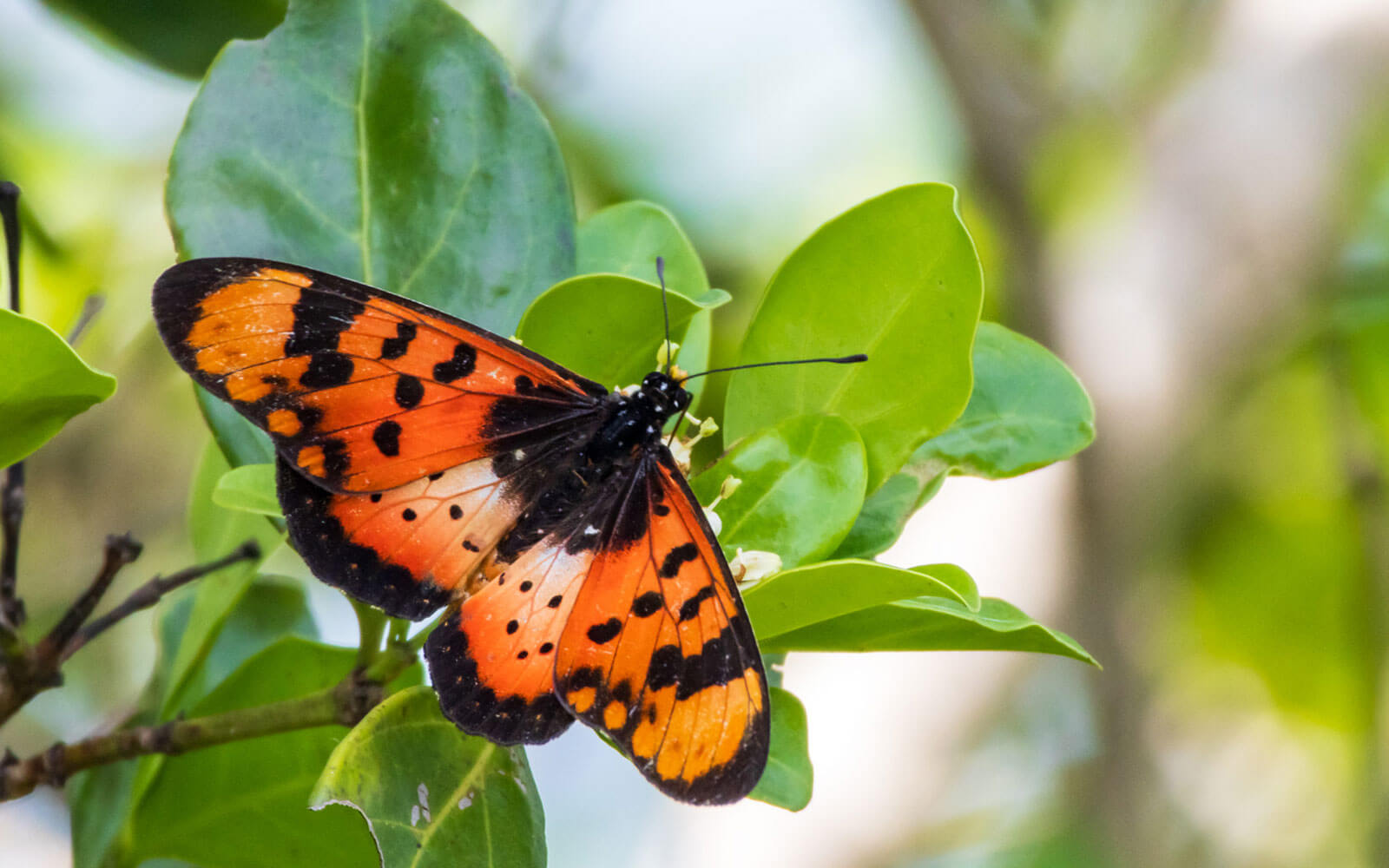
A male Warrior Acraea nectaring on Psydrax flowers
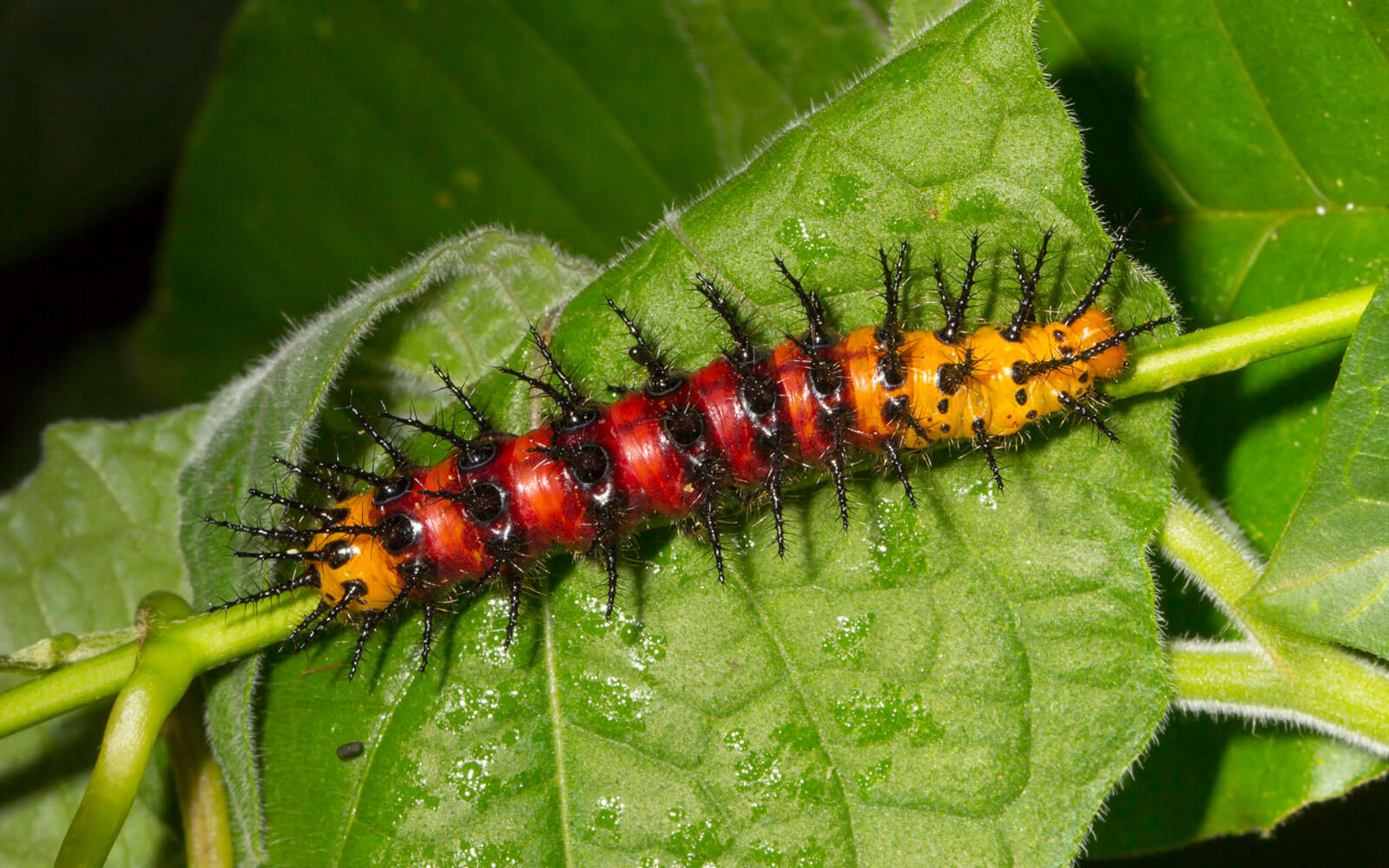
Tildia acara 5th instar larva on Passifloea edulis
The Warrior Acraea, Tildia acara has always been a resident of subtropical areas, in South Africa the larvae feeding on wild Passifloraceae like Adenia species. It has long been known to use cultivated Passifloraceae like Granadilla, Passiflora edulis, and Blue passionflower Passiflora caerulea. However, about ten years ago, iNaturalist detected a flood of observations from Makhanda in the Eastern Cape. From then it has spread west, reaching George in 2022, Swellendam in 2024, and most recently Greyton in 2026. Many on cultivated Passiflora. The plants have a long history of cultivation. Data on first cultivation is lacking but that may also be climate related. Certainly, this is not a butterfly known to tolerate the cool winter rainfall climate in the southern Cape!
Such distribution data is vital to studying the ecological requirements of butterflies and moths, and how they are changing with time. The Lepidopterists’ Society has been building capacity for butterfly population monitoring. iNaturalist allows simple occurrence data to be recorded but newer apps allow numbers to be recorded as well. Read more about it here Butterfly Monitoring Africa.

Steve Woodhall is a butterfly enthusiast and photographer who began watching and collecting butterflies at an early age. He was President of the Lepidopterists’ Society of Africa for eight years, and has contributed to and authored several books, including Field Guide to Butterflies of South Africa and Gardening for Butterflies and the recent children’s book My First Book of Southern African Caterpillars. His app, Woodhall’s Butterflies of South Africa, is described as the definitive butterfly ID guide for South Africa.
Steve has been a valuable and informative informal guide on many butterfly outings and recently qualified as a formal FGASA Field Guide. He is now available to officially guide tours via his ButterflyGear business entity www.butterflygear.co.za. Steve can be contacted on +27 82 825 8450 or steve@butterflygear.co.za.