
Aliens in the garden
Close encounters of the feathered kind
Text and photographs Nicolette Forbes
There is something deeply comforting about birds in a garden. The bubbling call of a Burchell’s Coucal from a valley thicket, the metallic chatter of Bronze Mannikin in the grass, or the looping flight and cry of a Trumpeter Hornbill crossing the Kloof Gorge all remind us that the Highway area still holds remarkable biodiversity within an increasingly urban landscape.
But not every bird in our gardens truly belongs here.
When visitors overstay their welcome
Some arrived accidentally, others deliberately through the pet trade, and many have adapted extraordinarily well to suburban life. While some exotic species remain relatively benign curiosities, others have crossed an ecological line, becoming invasive species capable of altering ecosystems, displacing indigenous birds, and even changing the genetic integrity of native populations.
In a region like ours—where forest fragments, riverine corridors, gardens and urban infrastructure exist side by side—the conditions are almost perfect for alien species to establish themselves. The Highway area can be, ecologically speaking, highly attractive to invasives.
Under South Africa’s National Environmental Management: Biodiversity Act (NEMBA), alien species are classified according to the risks they pose. The distinction is important. An alien species is simply one that does not occur naturally in an area. An invasive species, however, is one that spreads and causes measurable ecological, economic, or environmental harm. Globally, invasive species are recognised as one of the greatest threats to biodiversity, second only in many cases to habitat destruction itself.
What is an “invasive” bird legally?
Under South Africa’s National Environmental Management: Biodiversity Act (NEMBA), alien species are classified according to ecological risk and required management:
- Category 1a: Must be eradicated
- Category 1b: Must be controlled
- Category 2: May be kept under permit (controlled use)
- Category 3: Restricted (often ornamental legacy species)
Globally, invasive species are recognised as one of the top drivers of biodiversity loss, alongside habitat destruction and climate change.
Invasive birds in our area – and why they matter
Not all birds seen in our gardens, parks, and suburbs naturally belong there. Some species have been introduced from other parts of the world, either intentionally or accidentally, and have established wild populations outside their natural range. While many are attractive, intelligent, and fascinating, invasive birds can place pressure on indigenous species through competition for food and nesting sites, aggressive behaviour, disease transmission, and changes to local ecosystems. Understanding which birds are invasive — and why they matter — is an important part of protecting the rich biodiversity of our region.
Common Myna (Acridotheres tristis)
Category 1B
Common Myna is one of the most well-known of the introduced bird species in urban and suburban environments. Originally native to parts of Asia, where it is a beautiful and intelligent component of natural ecosystems, the species was introduced elsewhere because of its adaptability and perceived usefulness in controlling insects. In its native range, Common Myna forms part of balanced ecological communities and is admired for its glossy plumage, bright yellow facial skin, confident personality, and remarkable intelligence. However, outside its natural range it can become highly problematic. Mynas are highly aggressive competitors that readily take over nesting sites, displace indigenous birds, and thrive in close association with people. Their adaptability, opportunistic feeding habits, and ability to breed successfully in urban environments have allowed populations to expand rapidly in many South African towns and cities. Their story is a reminder that even beautiful and fascinating birds can become ecological problems when moved beyond the environments where they evolved naturally.
The ecological success of Common Myna lies largely in its behavioural dominance and extraordinary ecological flexibility. As specialist cavity nesters, mynas compete fiercely for nesting sites and are well known for aggressively evicting indigenous birds from tree hollows and other nesting cavities. Studies from around the world have shown that native bird abundance often declines in areas where mynas become well established. Their highly adaptable feeding behaviour also gives them a major advantage, as they are able to exploit an enormous variety of food sources, particularly in urban environments where human activity provides abundant opportunities. This combination of aggression, intelligence, and adaptability has made Common Myna one of the world’s most successful invasive bird species.
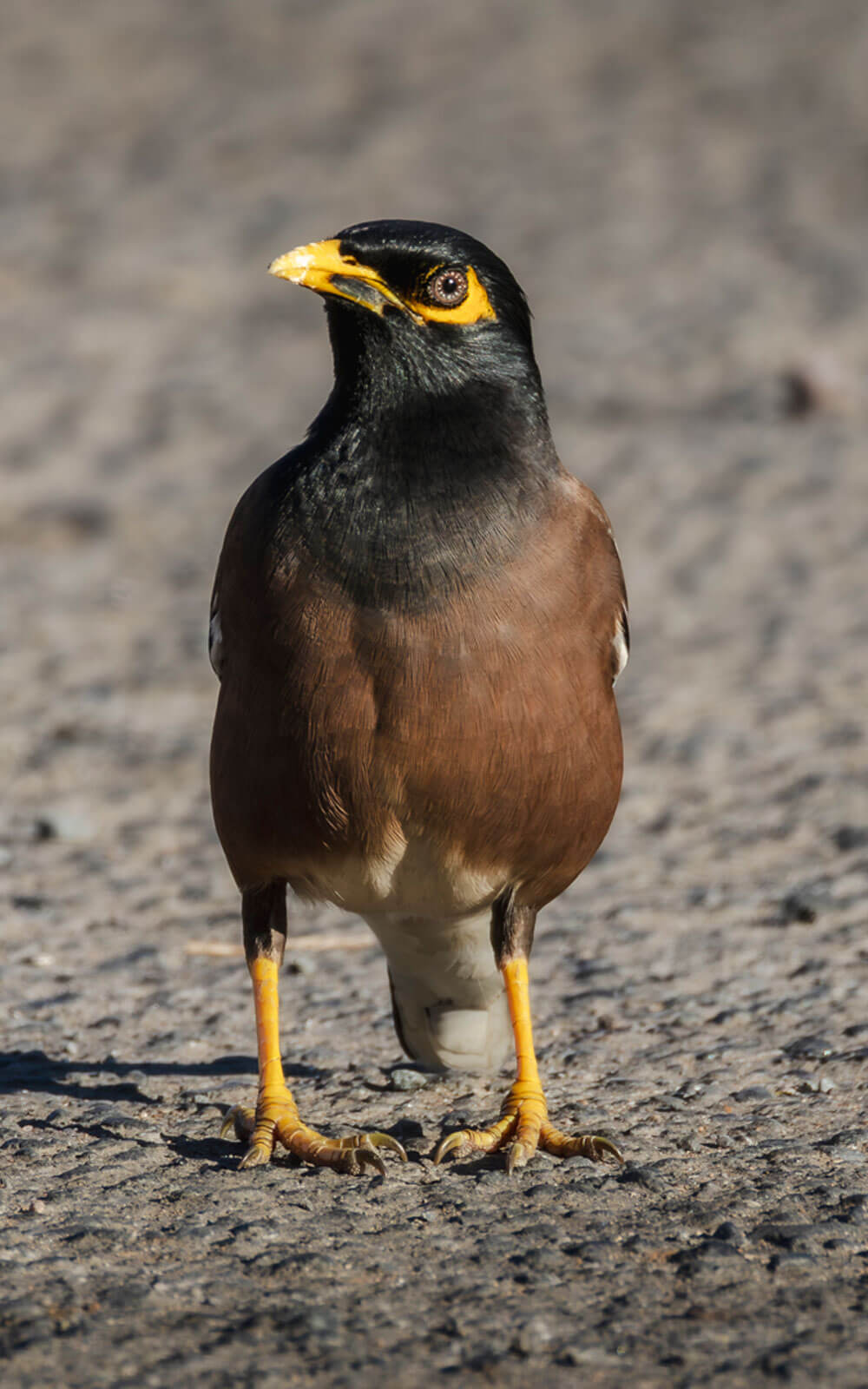
Common Myna (Acridotheres tristis)
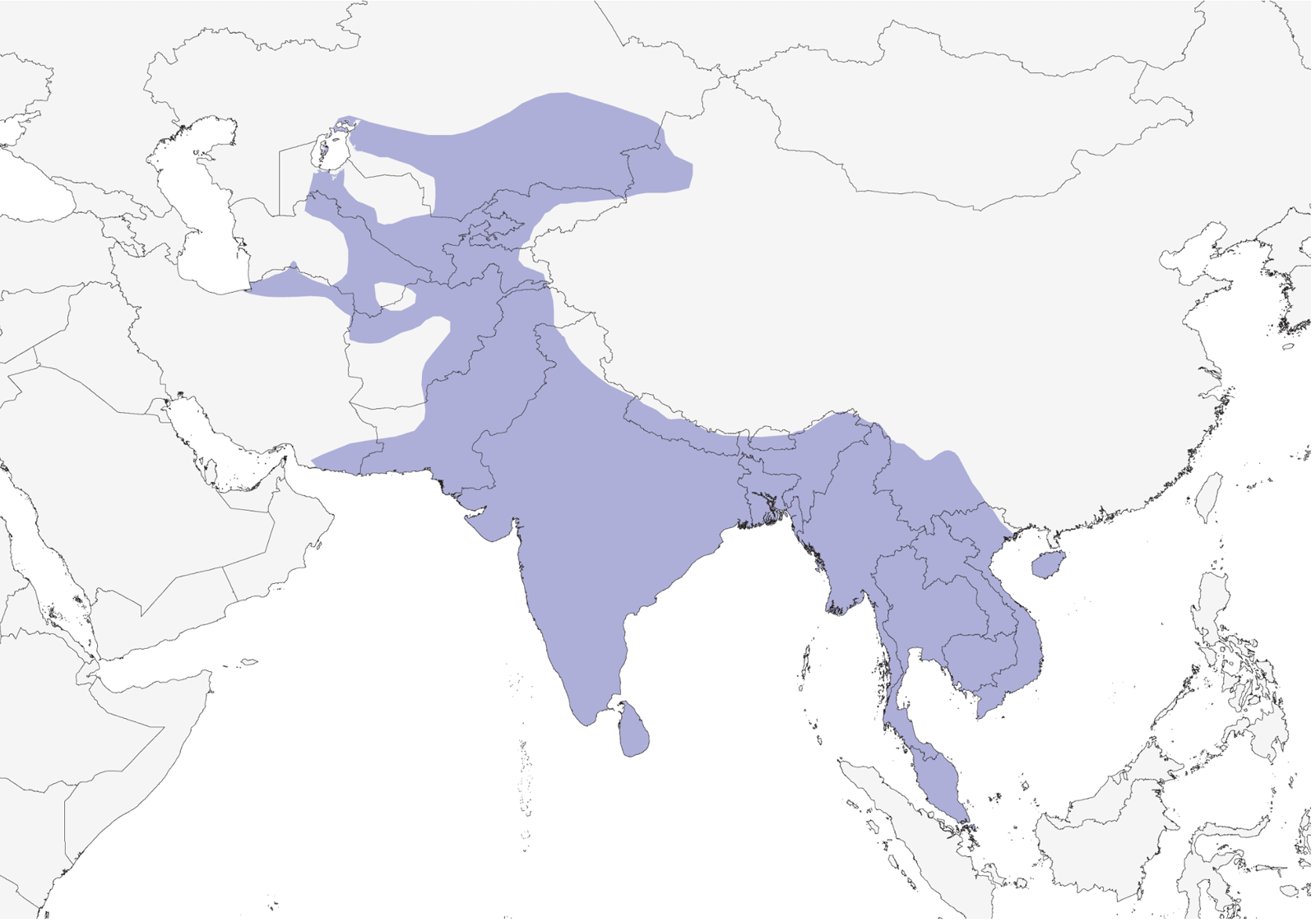
Distribution of Common Myna
House Crow (Corvus splendens)
Category 1A
House Crows are widely regarded as one of the most concerning invasive bird species currently established in South Africa. Native to the Indian subcontinent, this highly intelligent and adaptable crow has spread around the world by hitchhiking on ships and exploiting human settlements, particularly harbours and coastal cities.
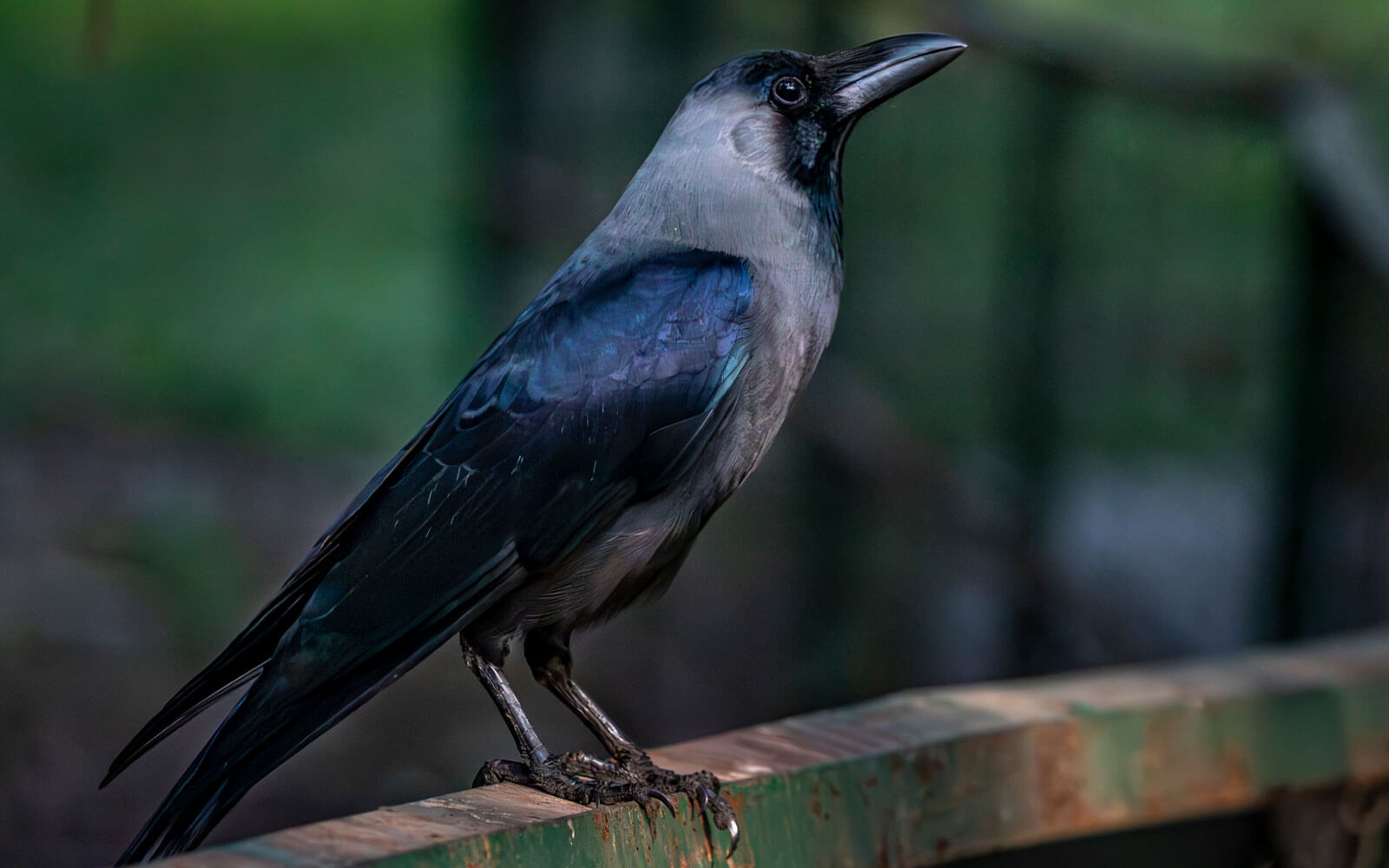
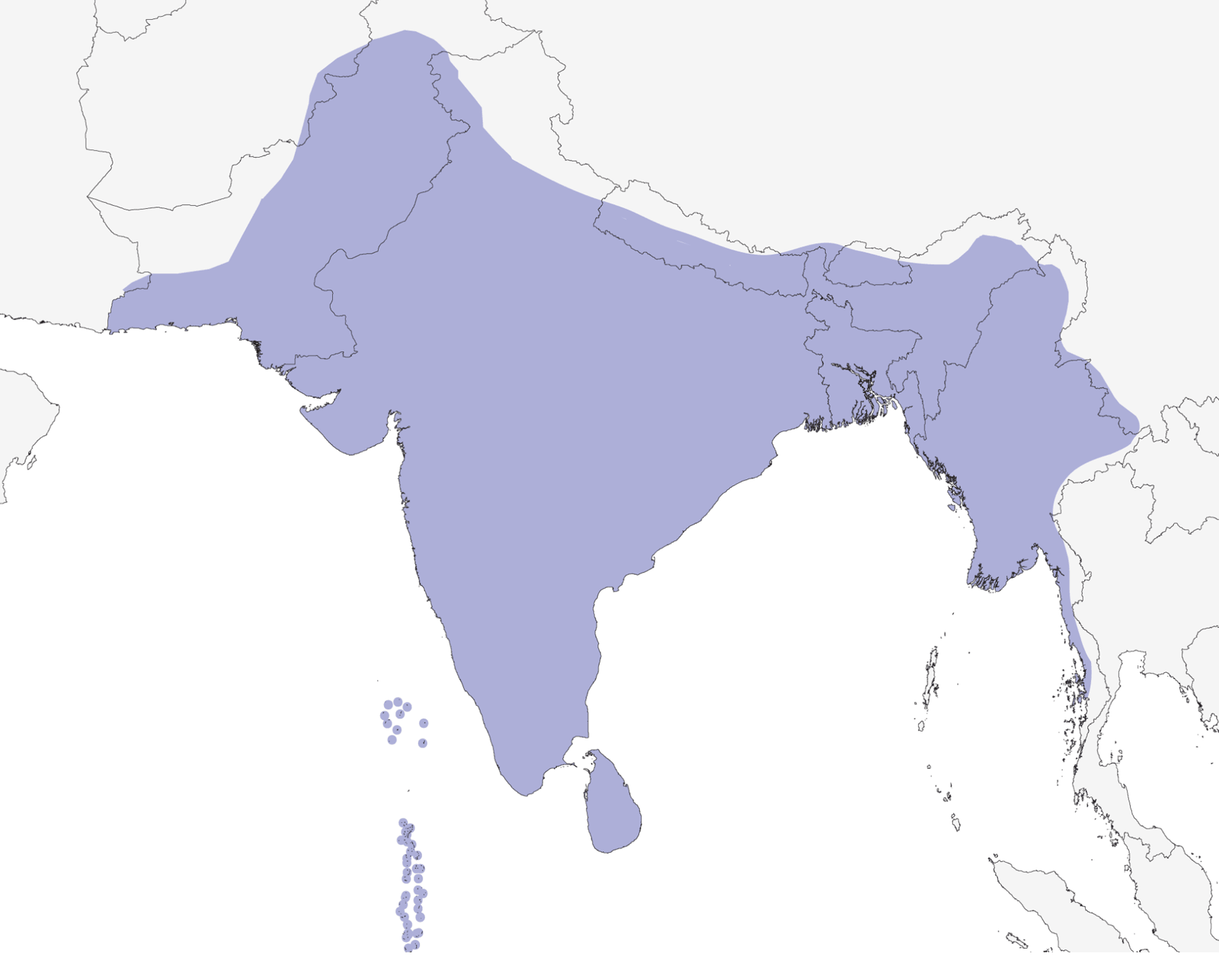
Natural distribution of House Crow
In South Africa, populations first became established around Durban Harbour and have since expanded into surrounding urban areas despite initial attempts at control. Due to its severe ecological and social impacts, the species is listed as a Category 1a invasive species under South Africa’s NEMBA regulations, meaning it must be controlled wherever possible.
House Crows are exceptionally successful urban survivors. Omnivorous and opportunistic, they feed on almost anything available, including insects, fruit, eggs, chicks, carrion, refuse, pet food, and food waste generated by people. Their intelligence and bold behaviour allow them to thrive in heavily modified environments where many indigenous birds struggle. They are also highly social birds, often gathering in noisy communal roosts that can number hundreds of individuals.
Ecologically, House Crows present a serious threat to indigenous biodiversity. They are notorious predators of smaller birds, raiding nests for eggs and chicks and harassing adult birds during breeding seasons. In urban and coastal areas, they may place pressure on already vulnerable species, including seabirds and waders. Their aggressive behaviour can also displace indigenous birds from feeding and nesting areas. Internationally, House Crows have been linked to declines in native bird populations on islands and in coastal ecosystems where local species evolved without such dominant avian predators. Their impacts are not limited to wildlife. House Crows are also regarded as significant urban pests. Large roosts create noise, foul buildings and pavements with droppings, and can contribute to sanitation concerns around food outlets, markets, and waste disposal sites. Because they scavenge extensively in refuse and sewage-contaminated environments, they may also play a role in spreading pathogens and disease-causing organisms. In some countries, they are associated with agricultural damage through feeding on fruit crops and livestock feed.
What makes House Crows particularly difficult to manage is their intelligence and adaptability. They learn quickly, exploit new food sources with ease, and can alter their behaviour in response to control measures, even recognising individual people that are involved in eradication. Their spread is closely linked to human activity, especially poor waste management and the availability of abundant artificial food resources. As a result, effective control depends not only on direct population management but also on reducing access to food through improved urban sanitation and waste control.
Despite their glossy black plumage, fascinating social behaviour, and remarkable intelligence, House Crows are a powerful reminder that species introduced beyond their natural range can become deeply disruptive to local ecosystems. In South Africa, preventing further spread remains an important conservation priority, particularly in sensitive coastal and urban habitats where indigenous birdlife is already under pressure.
Be aware and marvel at our indigenous corvids
In the Highway area, two large black birds are often mistakenly assumed to be invasive species — Pied Crow and White-necked Raven — yet both are indigenous members of South Africa’s natural avifauna. These highly intelligent corvids have lived in African landscapes long before our towns, roads, and suburbs expanded into their habitats. Pied Crows, with their distinctive black-and-white plumage and confident, adaptable nature, are now a familiar sight in urban and semi-rural environments, while the larger, White-necked Raven, identified by its heavy bill and deep croaking calls, is more strongly associated with cliffs, gorges, and wilder landscapes around the escarpment and valleys.
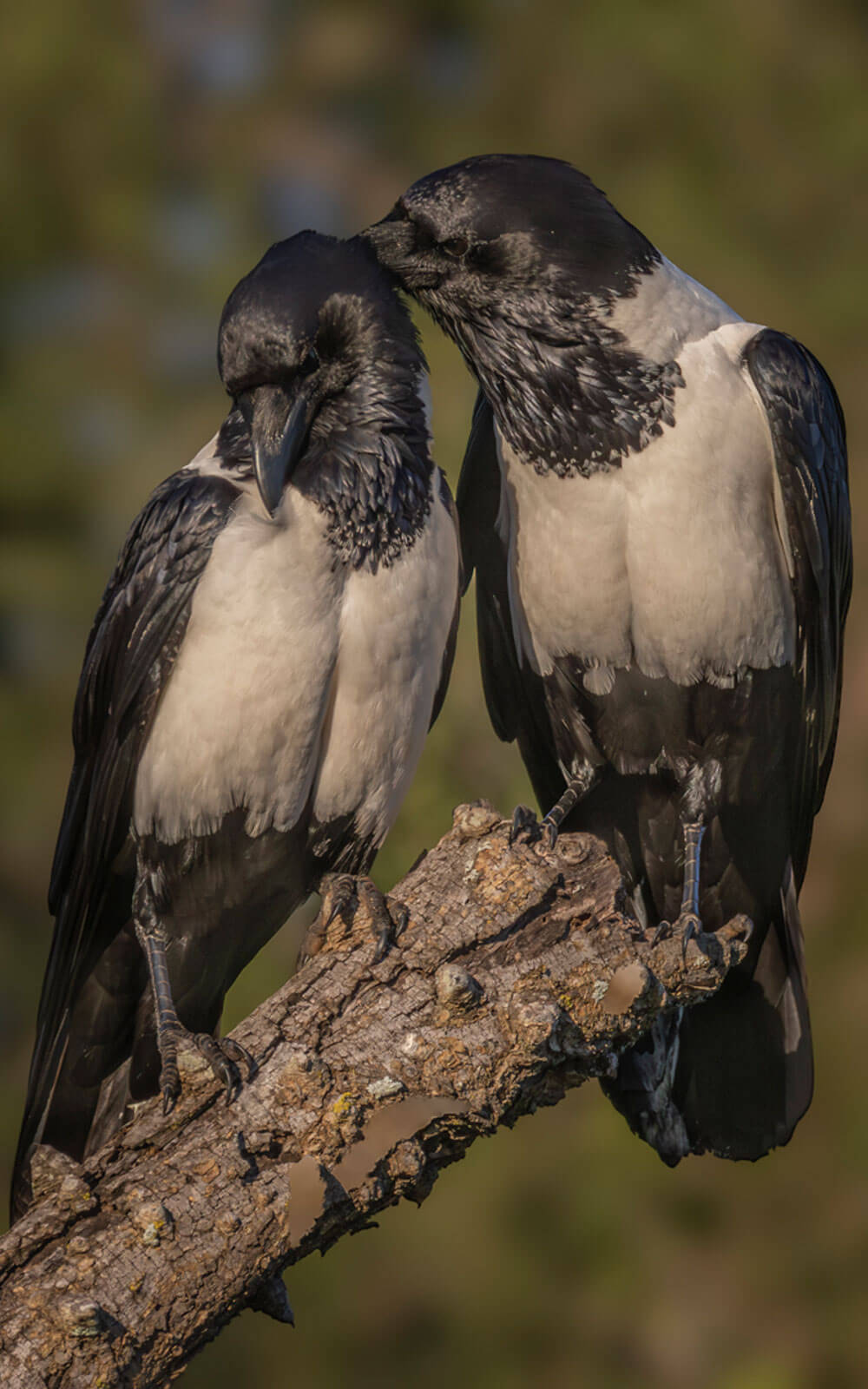
Pied Crow pair
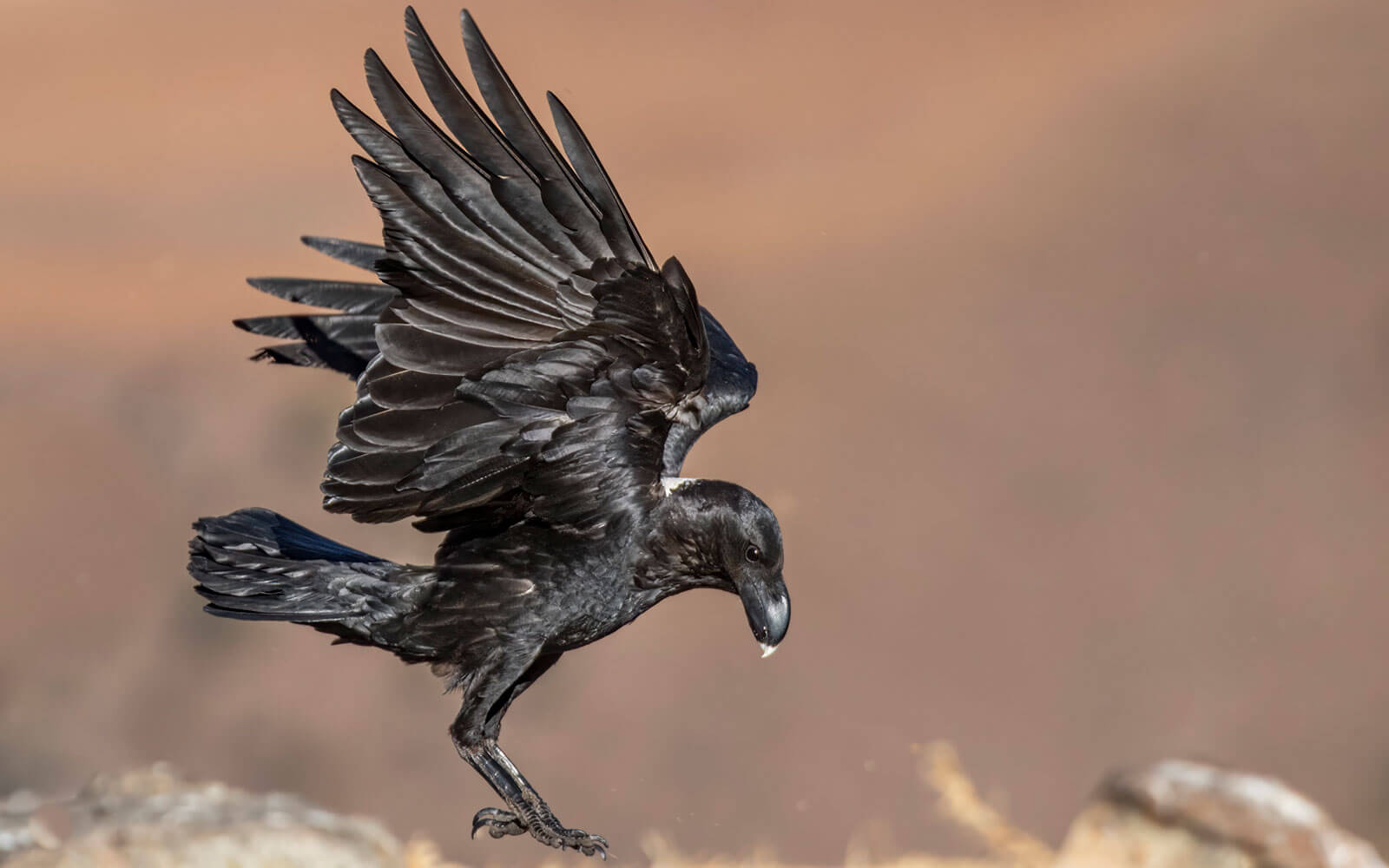
White-necked Raven
Rock Doves (Columba livia)
Category 3
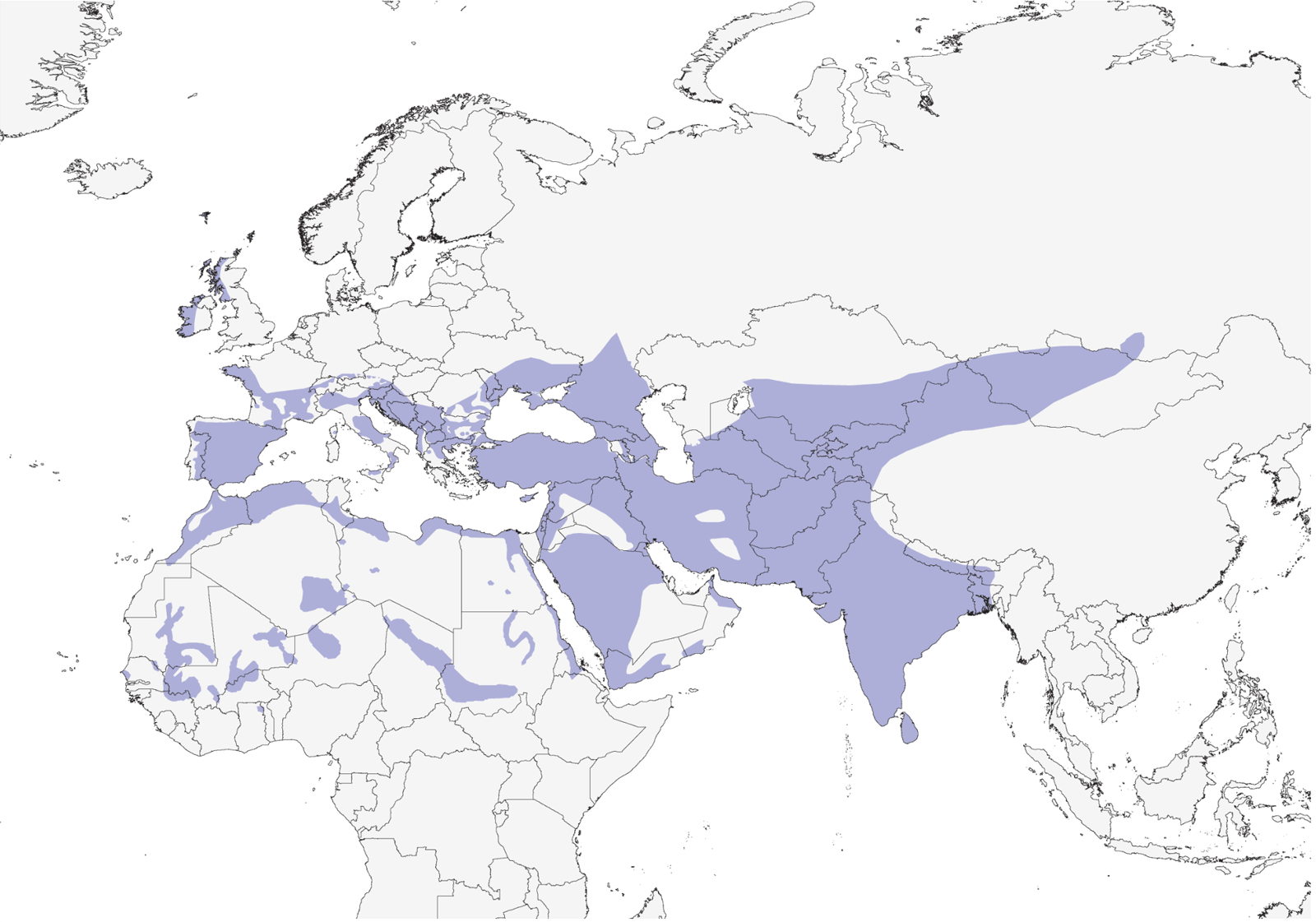
Rock Doves are now such familiar features of towns and cities that many people forget they are not truly indigenous urban birds in South Africa. Descended from domesticated pigeons originally derived from wild Rock Doves of Europe, North Africa, and parts of Asia, they have spread across the world alongside human settlement and thrive wherever buildings mimic the cliff ledges on which their wild ancestors once nested.
Highly adaptable and remarkably successful, Rock Doves exploit abundant food resources provided by people, including grain, food scraps, and deliberate feeding in urban areas. Although generally less aggressive than species such as House Crows or Common Mynas, large pigeon populations can still create ecological and social concerns. Dense flocks may compete with indigenous birds for food and nesting spaces, while accumulations of droppings can damage buildings, foul public spaces, and create sanitation problems. Pigeons can also carry parasites and diseases transmissible to other birds, domestic animals, and occasionally humans. Yet despite these issues, feral pigeons remain fascinating birds in their own right — intelligent, highly social, and capable of extraordinary navigation abilities that humans have utilised for centuries in messenger and racing pigeons. Their success is another example of how closely some bird species have adapted to life alongside people in the modern urban world.
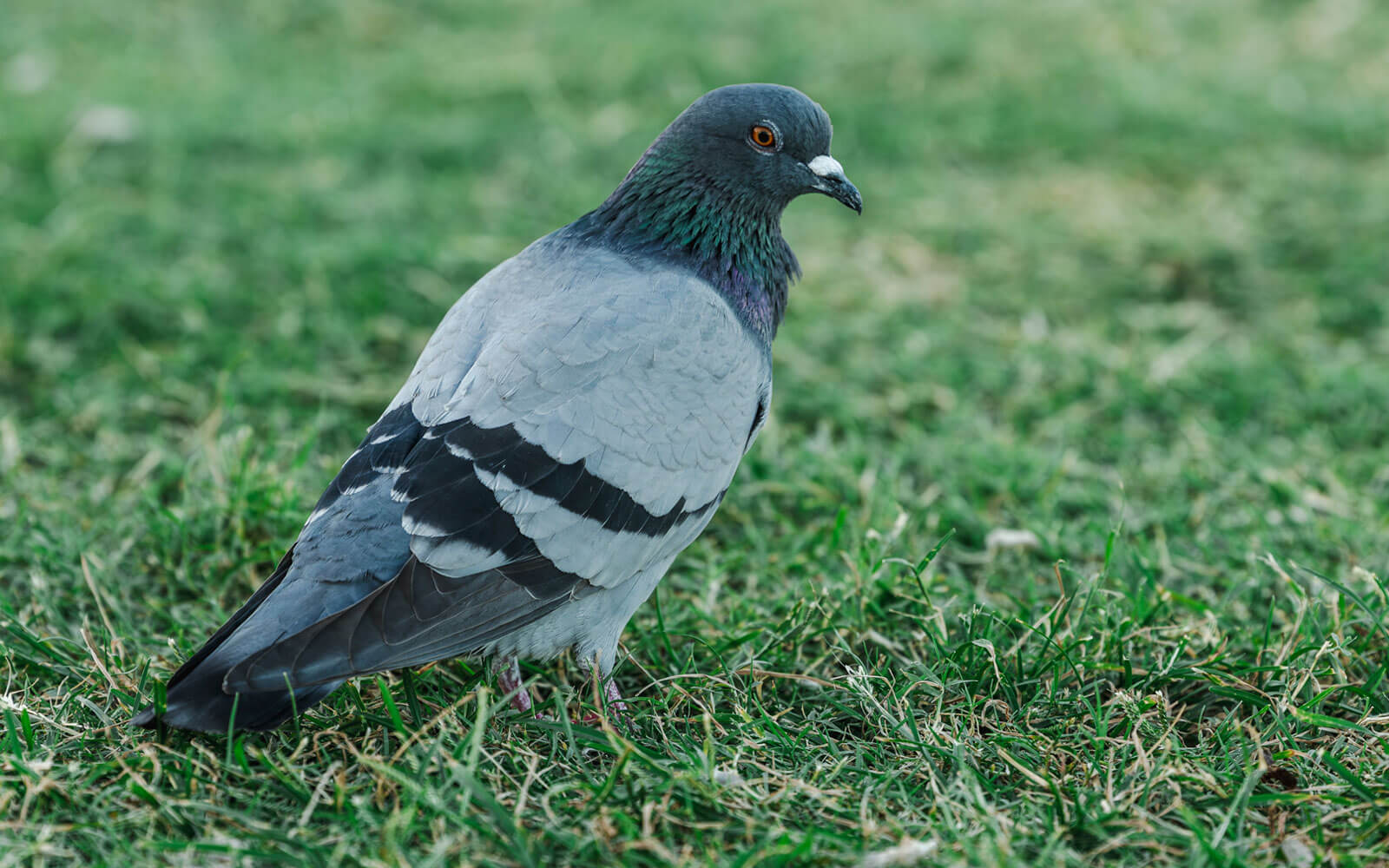
Rock Dove, found in cities and urban areas
Ring-necked Parakeet (Psittacula krameri)
Category 1B plus all captive birds require permits
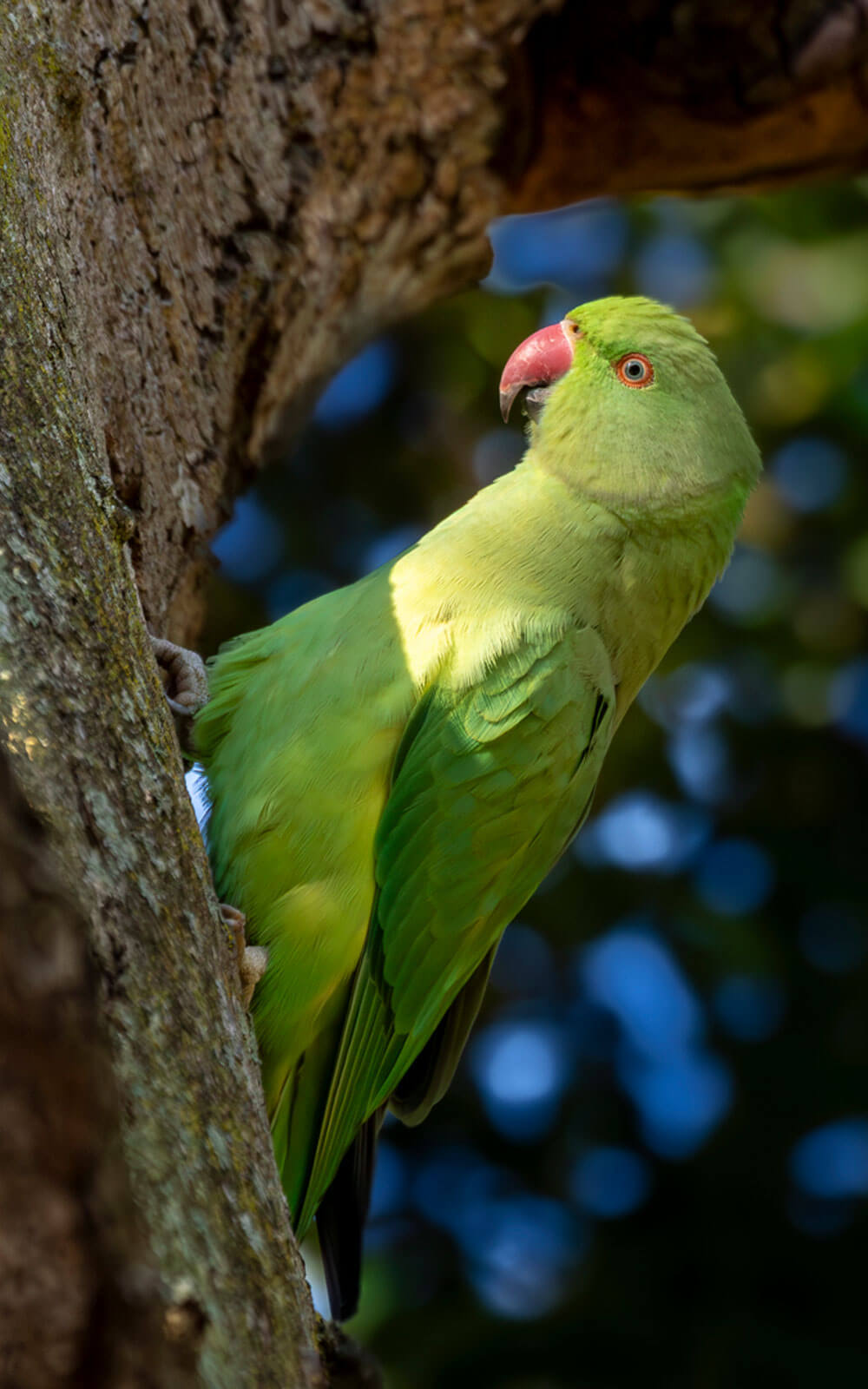
Ring-necked Parakeet at a natural nest hole in Durban
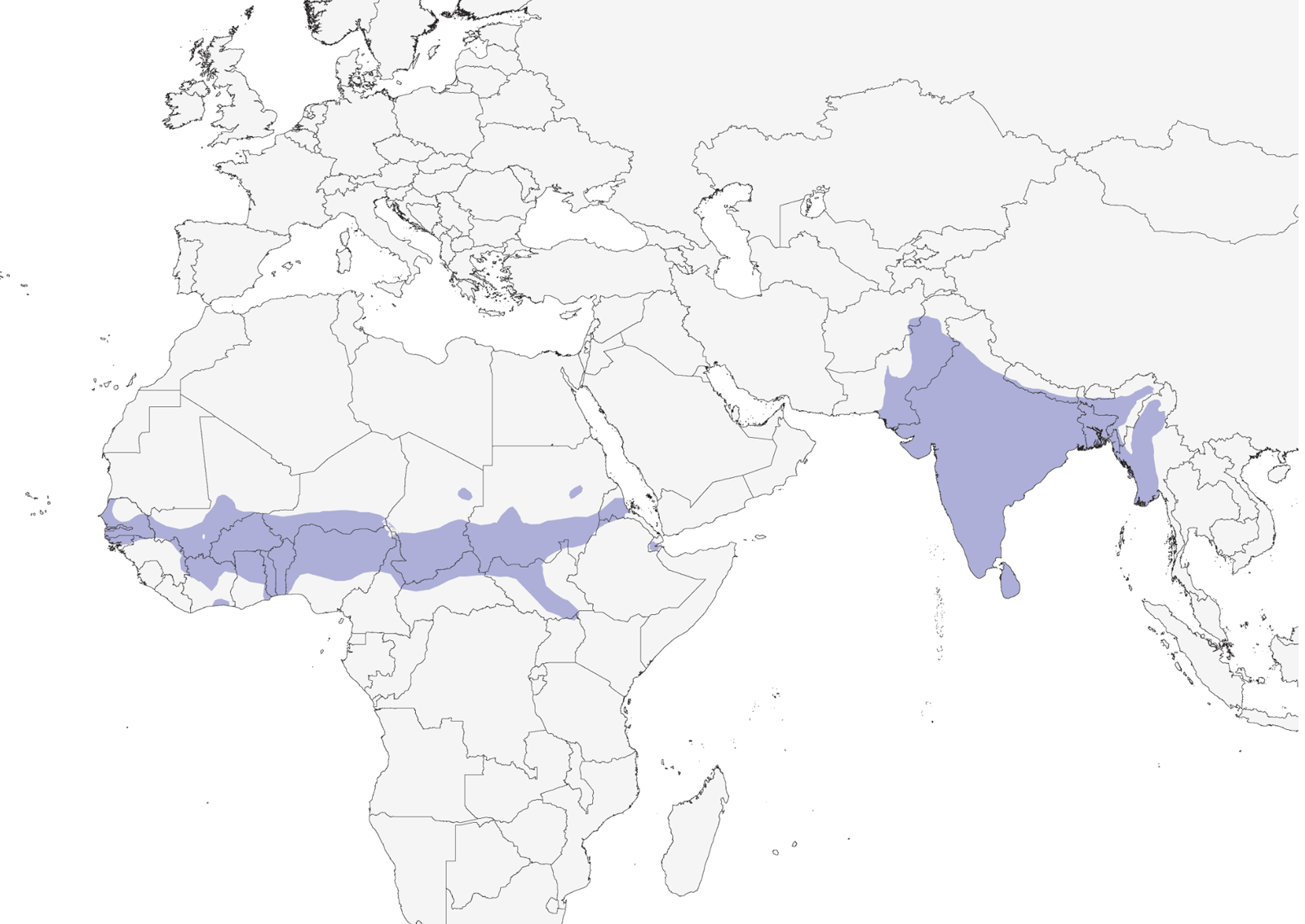
Ring-necked Parakeet distribution map
Ring-necked Parakeets have become one of the most successful and widespread invasive parrots in the world and is now firmly established in many South African cities, including Durban. Recognised globally as the most invasive parrot species, it has established feral populations in more than 35 countries across five continents. In South Africa, their growing impact has resulted in updated NEMBA regulations, with captive birds listed as Category 2 species requiring permits, while feral populations are classified as Category 1b invasive species that should be controlled.
In Durban, populations have expanded dramatically across urban and suburban areas where their loud calls and communal roosts have become increasingly familiar. Although colourful and charismatic, these parakeets can create significant ecological problems. They compete aggressively with indigenous birds for nesting cavities and food resources and have been observed displacing a range of local species. Their feeding habits may also assist in spreading invasive plant species by dispersing seeds into new areas, potentially altering local vegetation dynamics over time. Like many introduced birds living in close association with humans, they may also carry and transmit diseases that can affect both wildlife and people. Importantly, their success is strongly linked to human feeding and urban habitats.
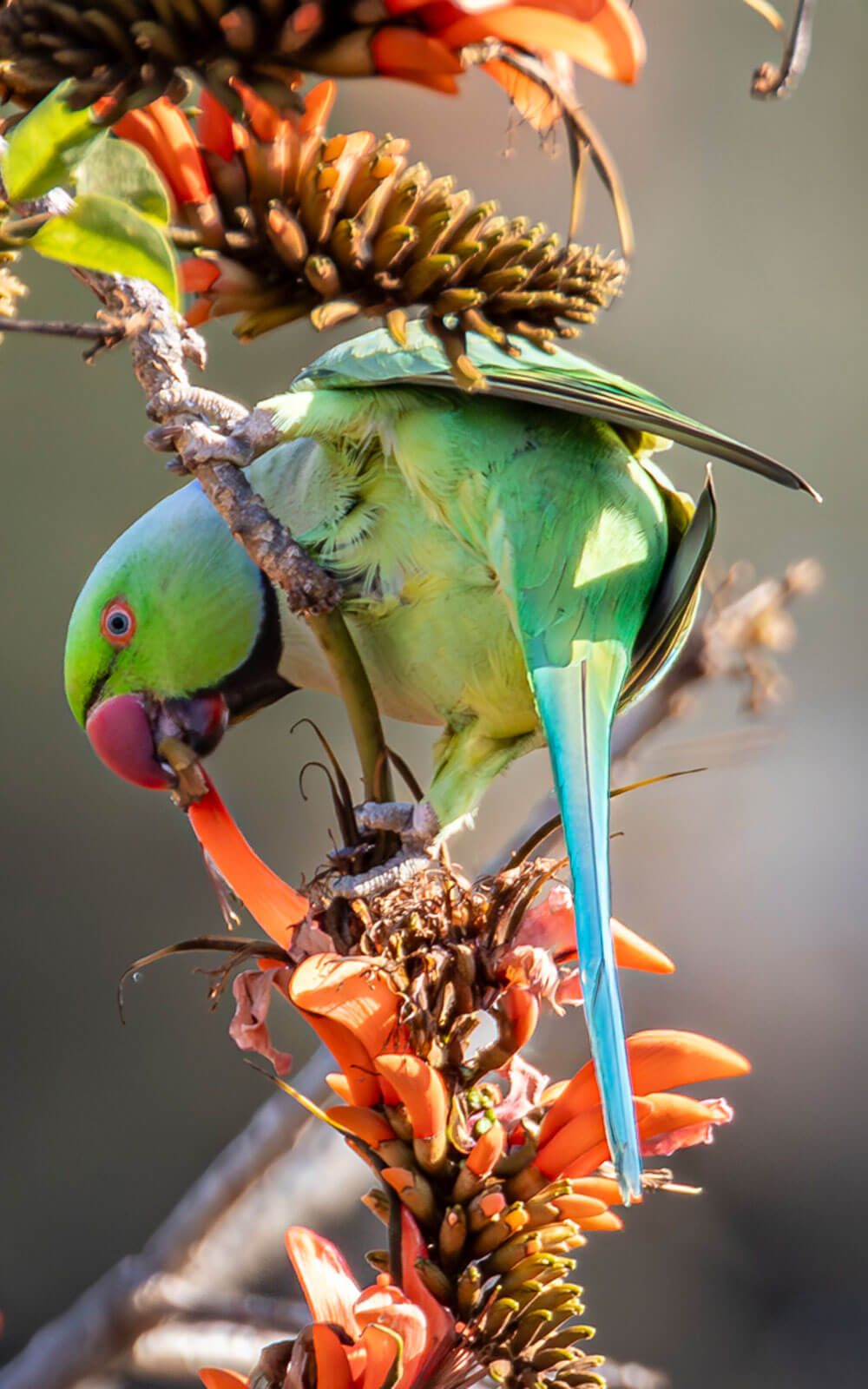
Ring-necked parakeet feeding on Coral Tree Erythrina lysistemon flowers
House Sparrow (Passer domesticus)
Category 3
House Sparrows have lived alongside people for centuries and were perfectly suited to the rapidly growing towns and cities of the late 1800s. In many ways, they occupied an ecological niche that few native birds were able to exploit so successfully. Their close association with humans allowed them to thrive wherever people settled, feeding on spilled grain, livestock feed, food scraps, and nesting in buildings and other structures.
As transport changed and horses disappeared from city streets, the fortunes of House Sparrows changed too. In the days of horse-drawn transport, cities provided a constant supply of food in the form of spilled grain and undigested seeds in horse manure. With the arrival of motor vehicles, these food sources largely vanished, and sparrows increasingly became associated with farms and rural settlements instead.
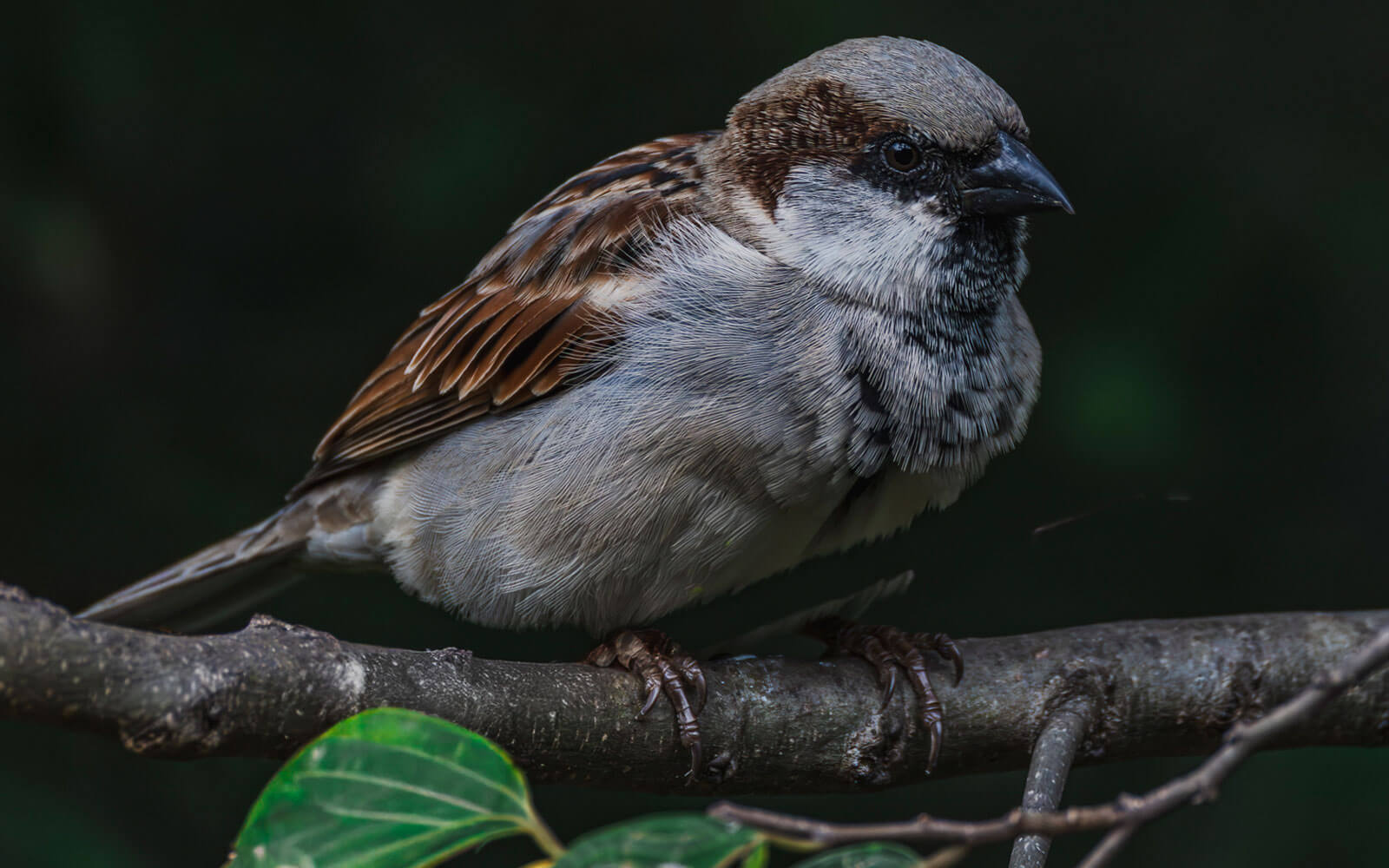
A male House Sparrow
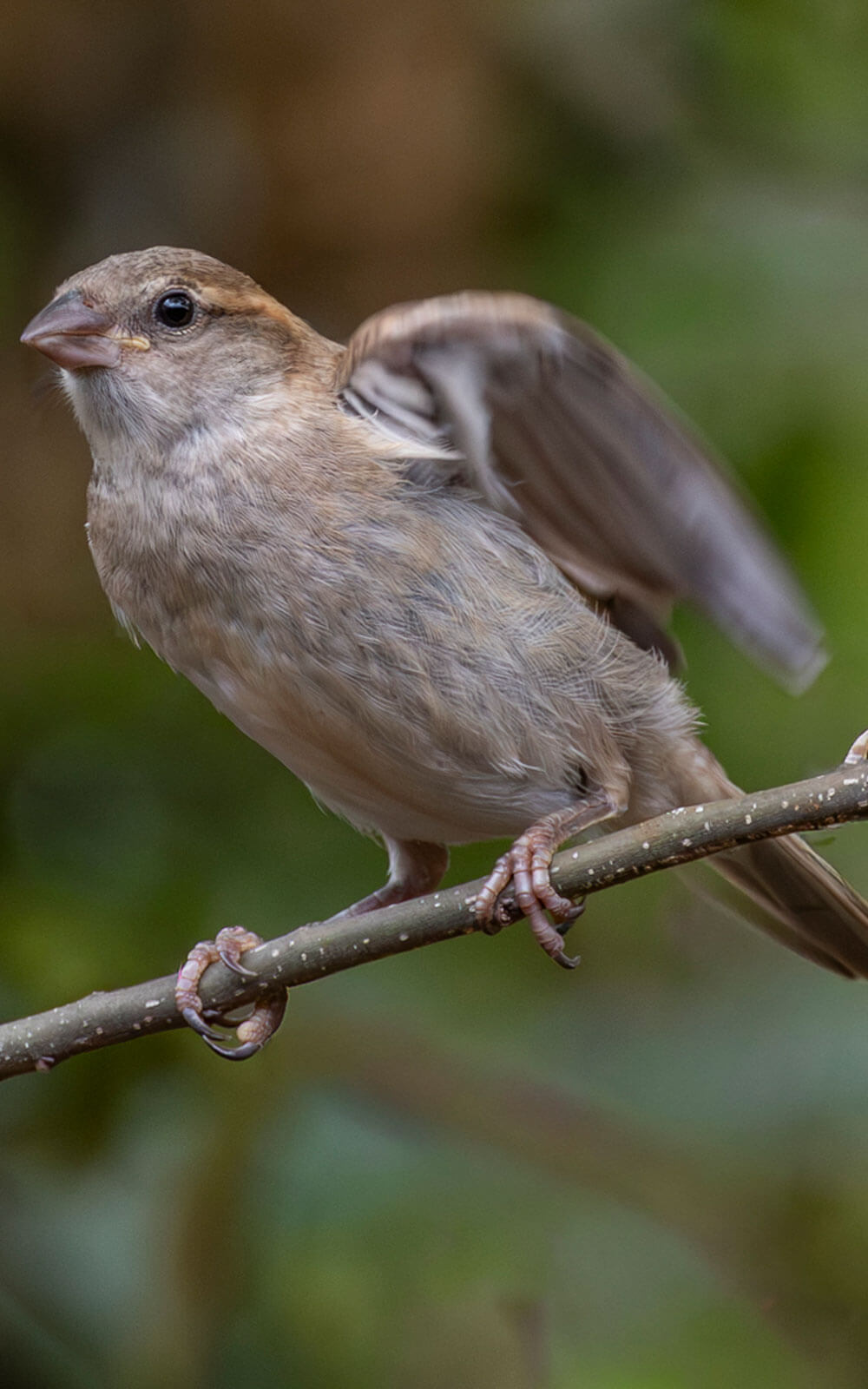
A female House Sparrow
More recently, modern agricultural practices have also played a role in their decline across many parts of the world. From the 1960s onwards, farming shifted towards much larger fields and extensive monocultures, reducing habitat diversity, hedgerows, and the abundance of insects needed to feed chicks. As a result, even this once incredibly common bird has shown worrying population declines in many countries over their natural range.
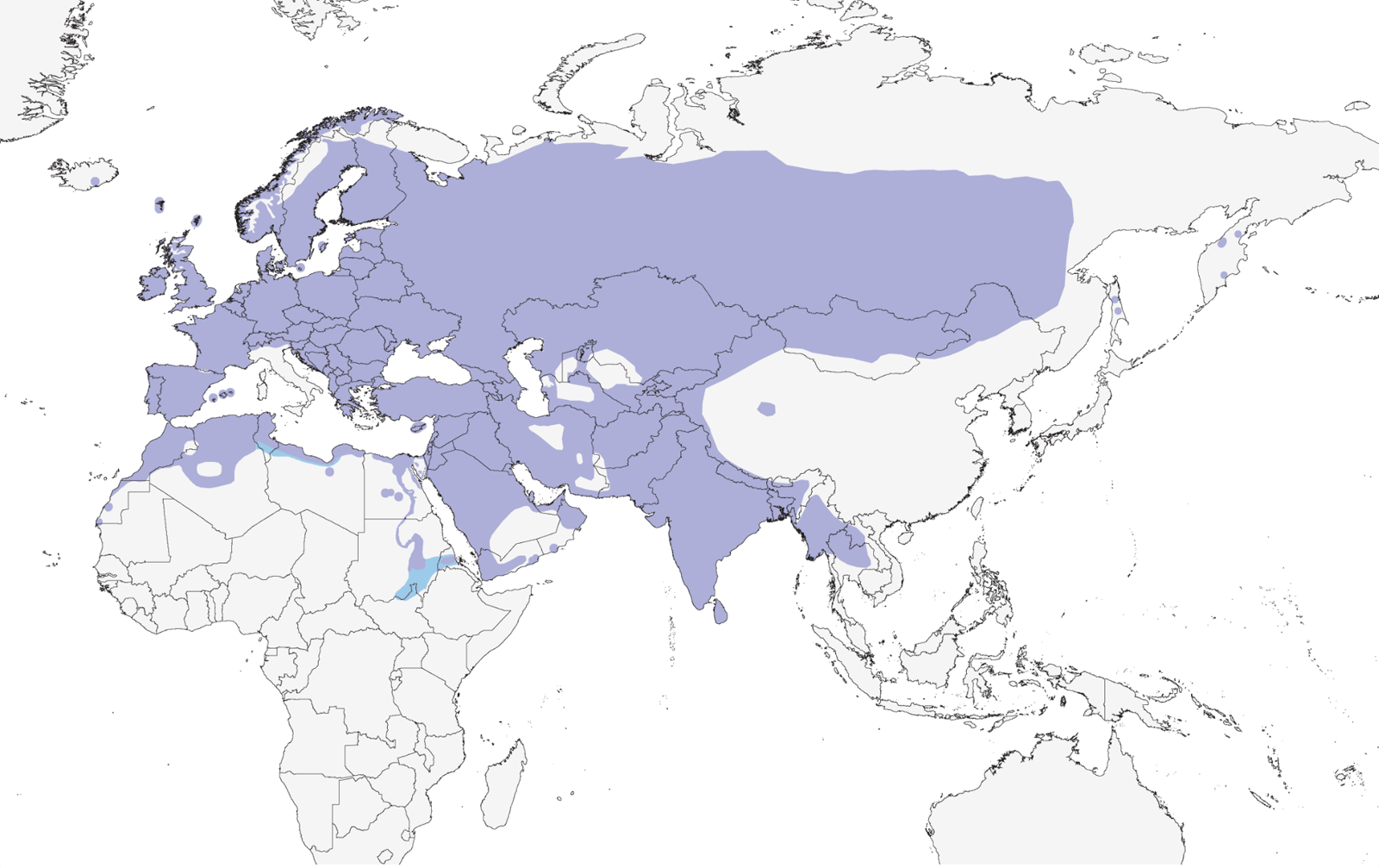
Natural distribution of House Sparrow with the pale blue indicating the non-breeding part of the range
Although House Sparrows have been established in South Africa for well over a century, they still occupy ecological niches similar to those used by some indigenous birds and may place native species under chronic competitive pressure. Their impacts are often subtle and easily overlooked, developing gradually over time through competition for food, nesting sites, and urban habitat resources rather than through dramatic or obvious ecological changes.
Did you know? We have an indigenous sparrow in the Highway area
While introduced species such as House Sparrow often dominate our perception of “sparrows,” South Africa is also home to four beautiful indigenous sparrow species that form a natural part of our ecosystems. These include Southern Grey-headed Sparrow, Cape Sparrow, Great Sparrow, and the striking Yellow-throated Bush Sparrow. Each has its own distinctive appearance, habitat preferences, and ecological role, having evolved alongside African landscapes over thousands of years. The species you will encounter most commonly in the Highway area is Southern Grey-headed Sparrow.
Southern Grey-headed Sparrow (Passer diffusus)
Unlike introduced sparrows such as the House Sparrow, the Southern Grey-headed Sparrow is one of our own — a truly indigenous African species that belongs naturally in our landscapes. With its soft grey head, warm chestnut wings, and cheerful chatter, it brings a gentle charm to gardens, bushveld, parks, and farmlands across much of southern Africa.
These sparrows are wonderfully adaptable. They have evolved alongside our local ecosystems and form part of the natural tapestry of African birdlife. Often seen in small family groups, they forage quietly on the ground for seeds, grains, and insects, while their constant social contact calls add life and movement to the environment around them. Southern Grey-headed Sparrows are also resourceful nesters, frequently using old weaver nests, tree cavities, or holes in buildings. Unlike some invasive species that displace native birds, these sparrows fit naturally into existing ecological relationships and are an important part of healthy local biodiversity.
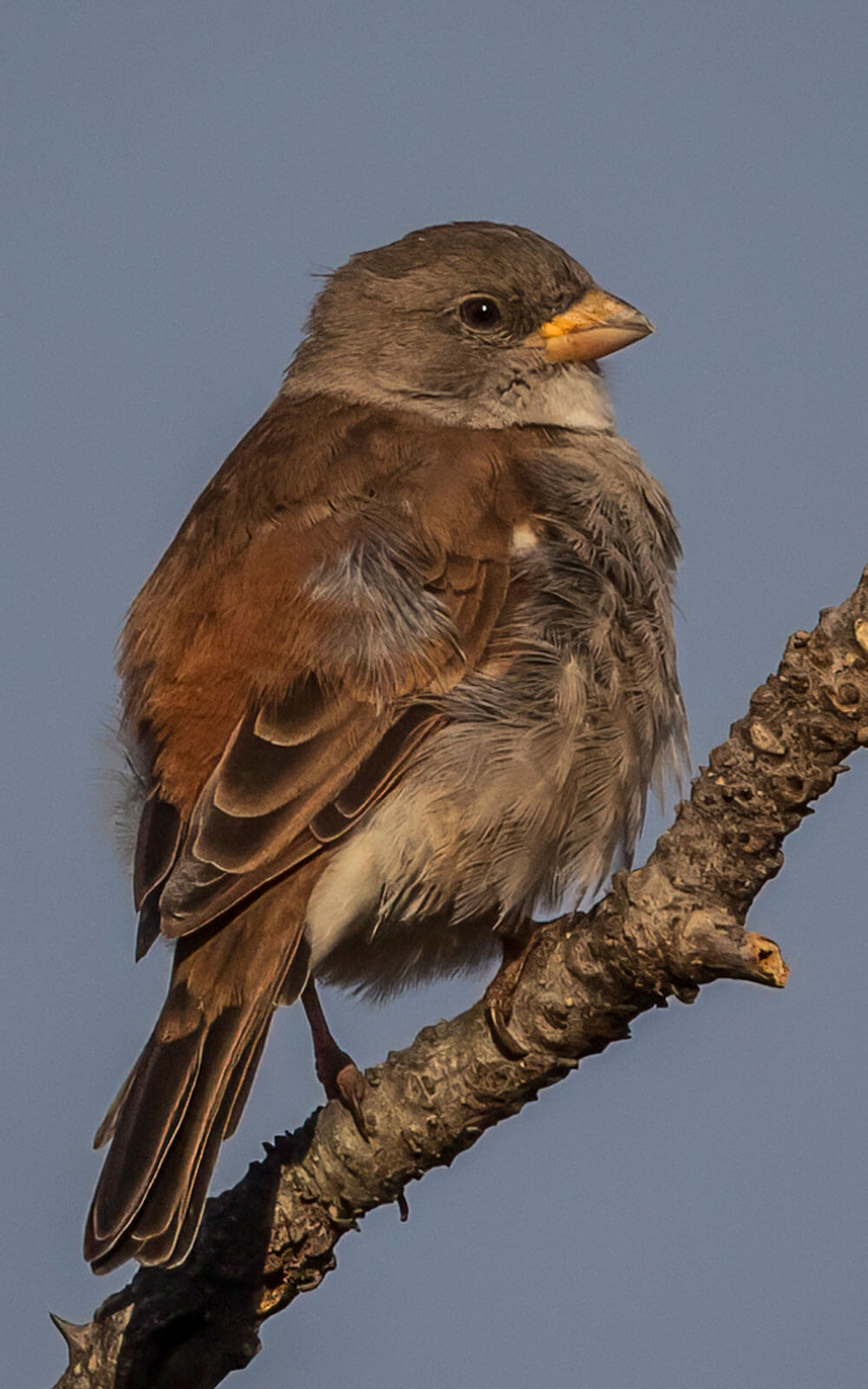
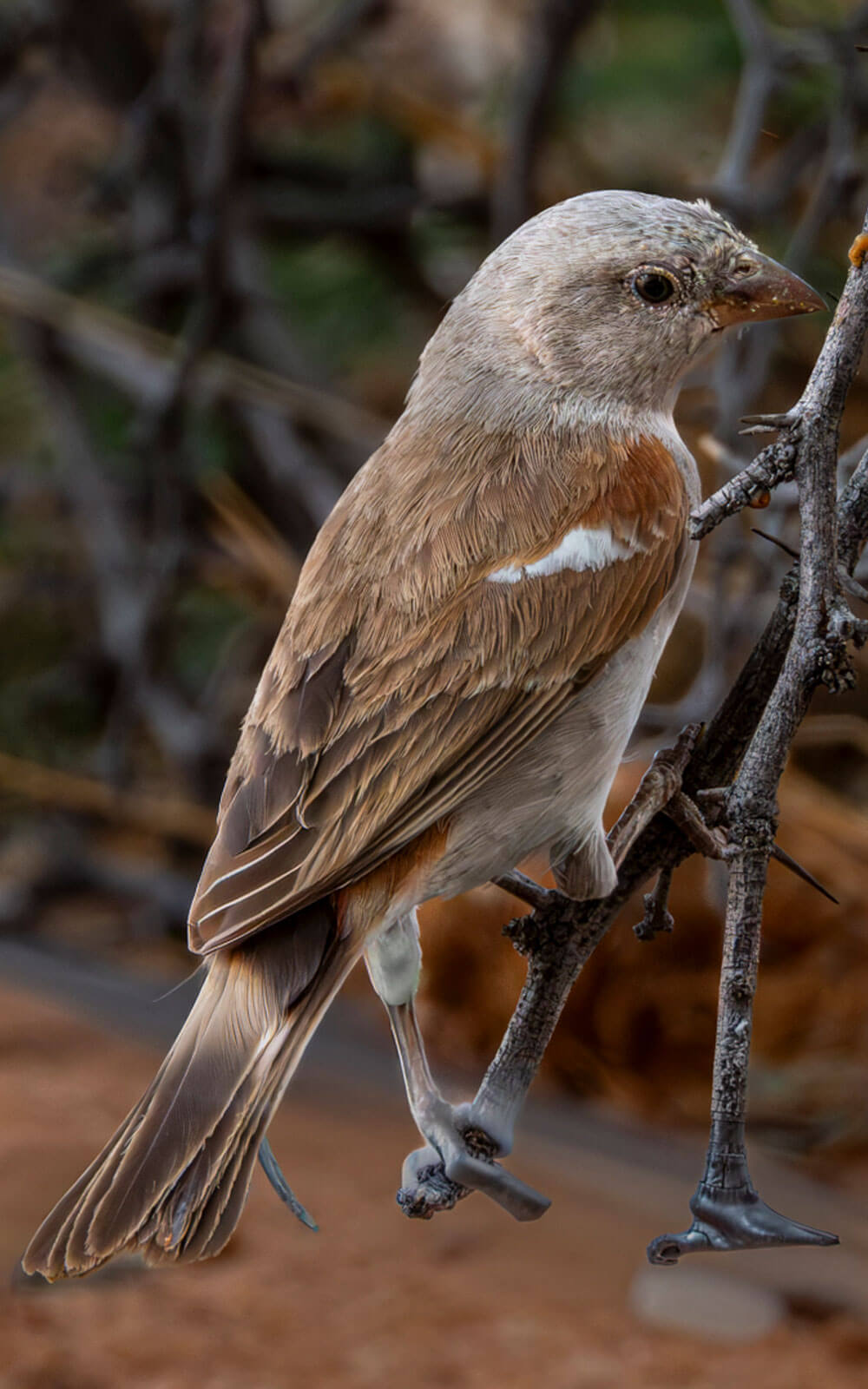
Their presence is a reminder that not all “little brown birds” are the same. While alien sparrows can sometimes dominate urban environments, our indigenous Southern Grey-headed Sparrow represents something far more special — a small, resilient African bird that has earned its place here over thousands of years.
How invasive birds reshape ecosystems
Invasive birds reshape ecosystems in complex and often subtle ways. One of the most important mechanisms is competitive exclusion, where alien species use food resources, nesting sites, or habitat more efficiently than indigenous birds, gradually displacing them over time. Some species, such as Mallard ducks, also hybridise with native ducks, leading to genetic pollution and the irreversible loss of unique evolutionary lineages—a particularly serious concern in waterfowl. Ecological impacts extend further through what scientists call trophic disruption, where altered feeding patterns can affect insect populations, seed dispersal, and even plant regeneration processes. Invasive species may also interfere behaviourally with indigenous birds, causing stress, reducing feeding opportunities, or lowering breeding success through persistent aggression or disturbance. Added to this is the growing concern around disease ecology, as introduced birds can act as reservoirs for novel pathogens that may spread into wild populations already under environmental pressure.
How invasive and alien species become part of our local world
The pet trade lies at the heart of many of these invasions. Around the world, escaped or deliberately released cage birds account for a large proportion of established alien bird populations. Ecologists refer to this as “propagule pressure”—the number of individuals released and the frequency with which releases occur. Even a relatively small number of escaped birds, if repeated over time, can eventually establish a self-sustaining wild population.
This pathway creates several risks simultaneously. Escaped birds may become invasive, they may hybridise with indigenous species, and they may introduce diseases into wild populations. At the same time, demand within the collectors’ trade can place pressure on indigenous birds through illegal capture and trade. What begins as a seemingly isolated act—a released pet, an escaped aviary bird—can ripple outward into much larger ecological consequences.
The Highway area is particularly vulnerable because of the very features we value most. Mature gardens provide food and nesting opportunities. Forest fragments and river corridors facilitate movement. Artificial feeding stations create concentrated food resources. Urban warmth improves survival for species that might otherwise struggle. In effect, our suburban landscape unintentionally assists many alien species to gain a foothold.
This does not mean we should stop enjoying birds in our gardens. Quite the opposite. But it does require awareness and responsibility. Planting indigenous vegetation, avoiding the feeding of invasive species, securing aviaries carefully, and never releasing captive birds into the wild are all small but important actions. Citizen science projects such as SABAP2 also play a critical role in tracking the spread of alien species and informing conservation management.
Our gardens may feel private and self-contained, but ecologically they are part of something far larger—a connected living system stretching across valleys, forests, wetlands and urban spaces.
Every species we introduce becomes part of that story.
Some enrich it. Others quietly rewrite it.
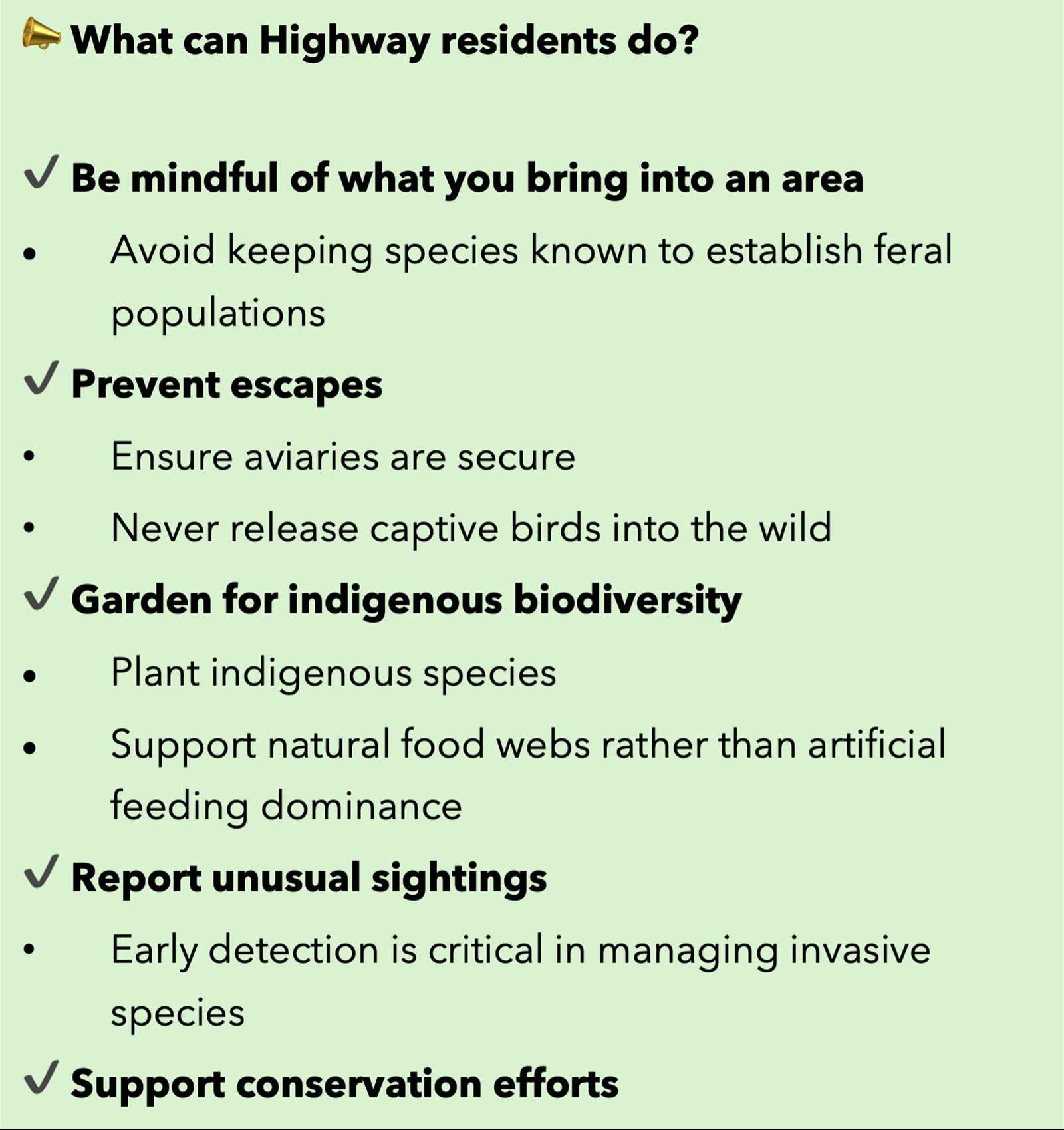
NEMBA list of invasive bird species
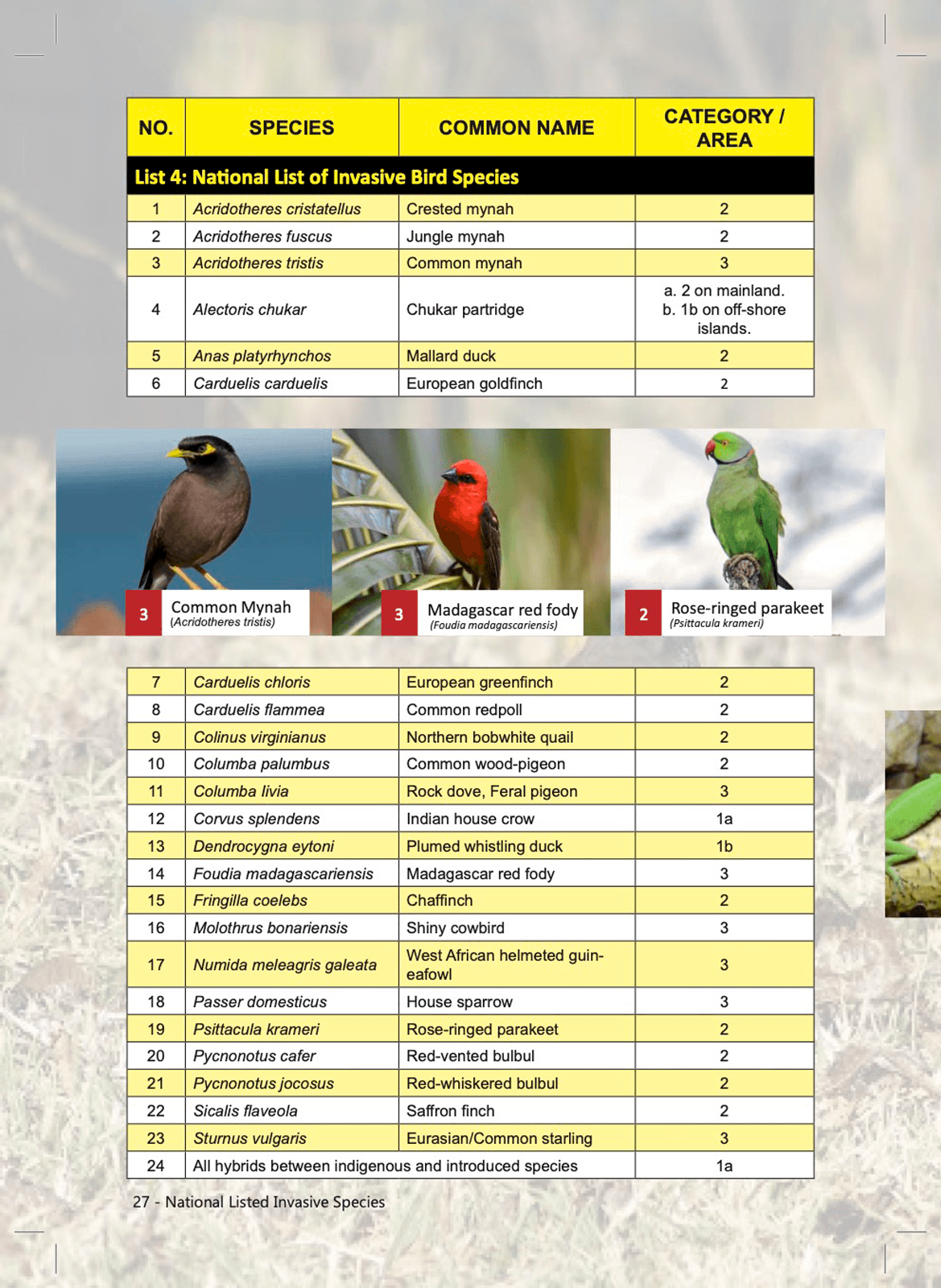
Find the NEMBA list here. See page 27 for birds.

About the author
Nicolette Forbes was born in Durban and is passionate about all things KZN and its environments. With an interest in all things living from a young age it was no surprise that her chosen career path ended with her becoming a professional biologist having studied biological sciences at the University of Natal, Durban (now University of KwaZulu-Natal). Studying was followed by a lecturing stint to both biology and medical students for nine years before leaving the university to put her knowledge into practice with an ecological consultancy specialising in coastal habitat assessments.
Birding has been a passion from her high school days and birdwatching, atlassing. photography and being in the bush are her favourite things. Currently the Chair of BirdLife eThekwini KZN, the club covering the Greater Durban area, Nicolette has also through the non-profit EcoInfo Africa, partnered with Kloof Conservancy to run environmental courses focussed on birds.