
Frogs at risk
Invasive species, the pet trade, and potential impact on South Africa’s amphibians
Text Jeanne Tarrant and Richard Berridge Photographs Jeanne Tarrant or as credited
South Africa’s frogs are among the country’s most overlooked conservation treasures. From the mistbelt grasslands of KwaZulu-Natal to the fynbos wetlands of the Cape, amphibians play a vital role in ecosystem functioning, acting as both predators and prey, regulating insect populations, cycling nutrients, and serving as indicators of environmental health. Yet amphibians are also the most threatened vertebrate group globally, with approximately 41% of species considered threatened with extinction. The most recent Red List updates for South Africa show that around 22% of our species are threatened, but when we look at endemic species (those occurring only within South Africa), this proportion jumps to 40%.
The pressures facing frogs are numerous and often interconnected. Habitat loss, wetland drainage, pollution, climate change, disease, invasive species, and overexploitation all contribute to declining amphibian populations worldwide. Globally, another driver has emerged: the wildlife trade, putting significant pressure on many species of amphibians. Some are harvested for food or traditional medicine, while others are collected for the pet trade because of their uniqueness or beautiful coloration.
For South Africa, and particularly for biodiverse regions such as KwaZulu-Natal, the growing movement of amphibians through the pet and collector trade raises important conservation concerns. While invasive alien plants get a lot of attention, invasive animals and the unintended consequences of exotic pet ownership also deserve consideration.
Invasive species and why they matter
An invasive alien species is a species that occurs outside of its natural range and causes ecological, economic, or social harm. Under South Africa’s National Environmental Management: Biodiversity Act (NEMBA), invasive species are regulated according to their level of risk and the actions required to manage them.
Globally, invasive alien species are regarded as the second greatest threat to biodiversity after habitat loss. For South Africa’s frogs, the impacts of alien invasive plants are amongst the top drivers of habitat loss. The risk of invasive amphibians to South Africa’s native amphibians appears to be of less concern, however several species have been identified as potentially being problematic. Such species can become invasive when they are intentionally introduced, accidentally transported through trade or shipping, or escape from captivity. Once established, they may compete with indigenous species, spread diseases, alter ecosystems, or poison predators.
Invasive amphibians often share several characteristics: they reproduce rapidly, tolerate a wide range of environmental conditions, exploit disturbed habitats, and consume a broad variety of prey. These traits make them highly adaptable and difficult to eradicate once populations become established.
One of the best-known examples is the Cane Toad (Rhinella marina), introduced into Australia in the 1930s to control agricultural pests. Instead, it became one of the country’s most damaging invasive vertebrates. Cane toads spread rapidly, poison native predators with toxic skin secretions, and continue expanding their range nearly a century later.
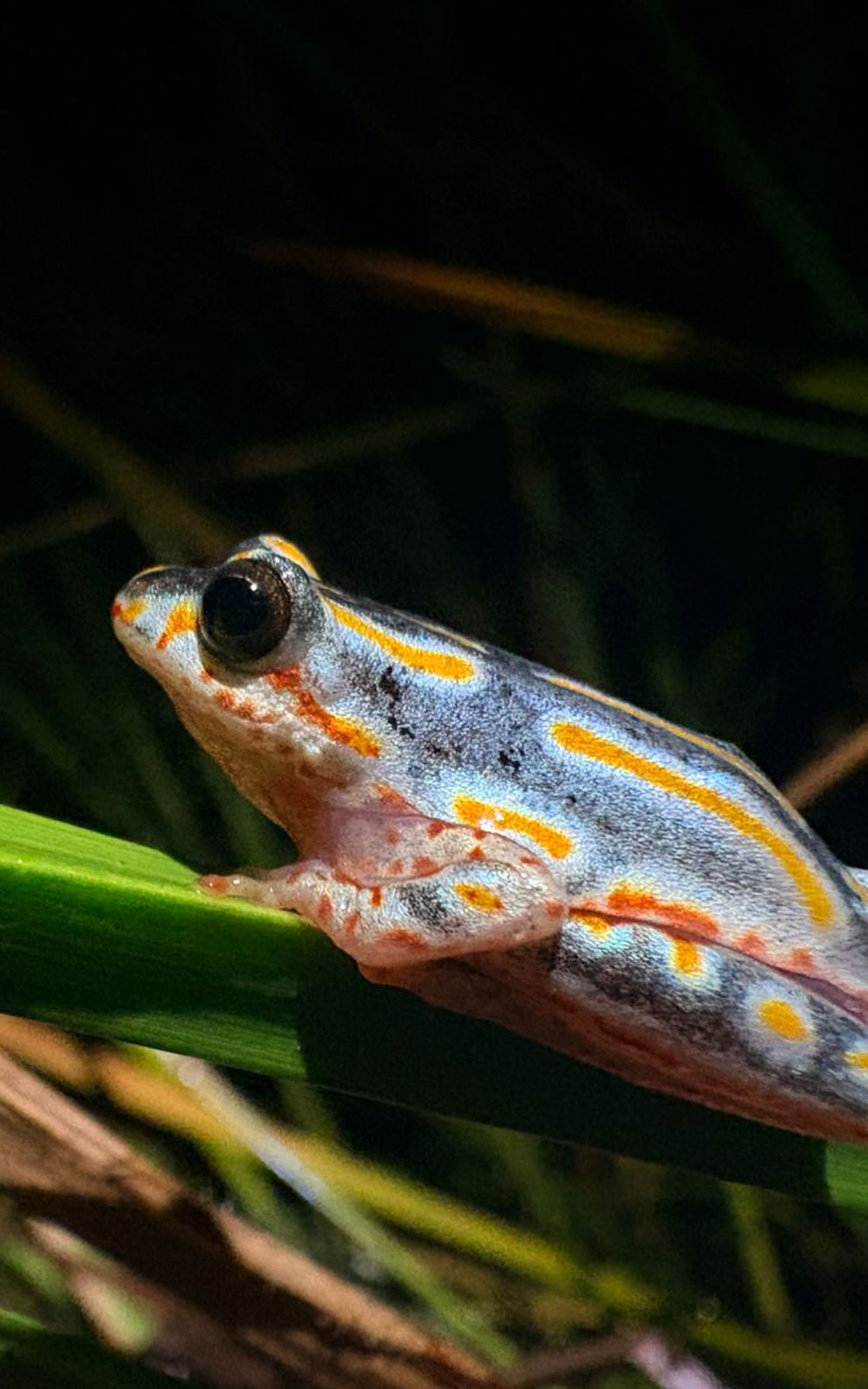
Closer to home, South Africa has several indigenous frog species that have become invasive outside of their natural distribution range. These include the Guttural Toad (Sclerophrys gutturalis) and the Painted Reed Frog (Hyperolius marmoratus), both of which have been inadvertently introduced into the Western Cape from KwaZulu-Natal. These are known as “domestic exotics” or “domestic invasives.” Human movement of plants, nursery materials, cargo, and even ornamental pond vegetation can unintentionally transport frogs and their eggs into new regions.
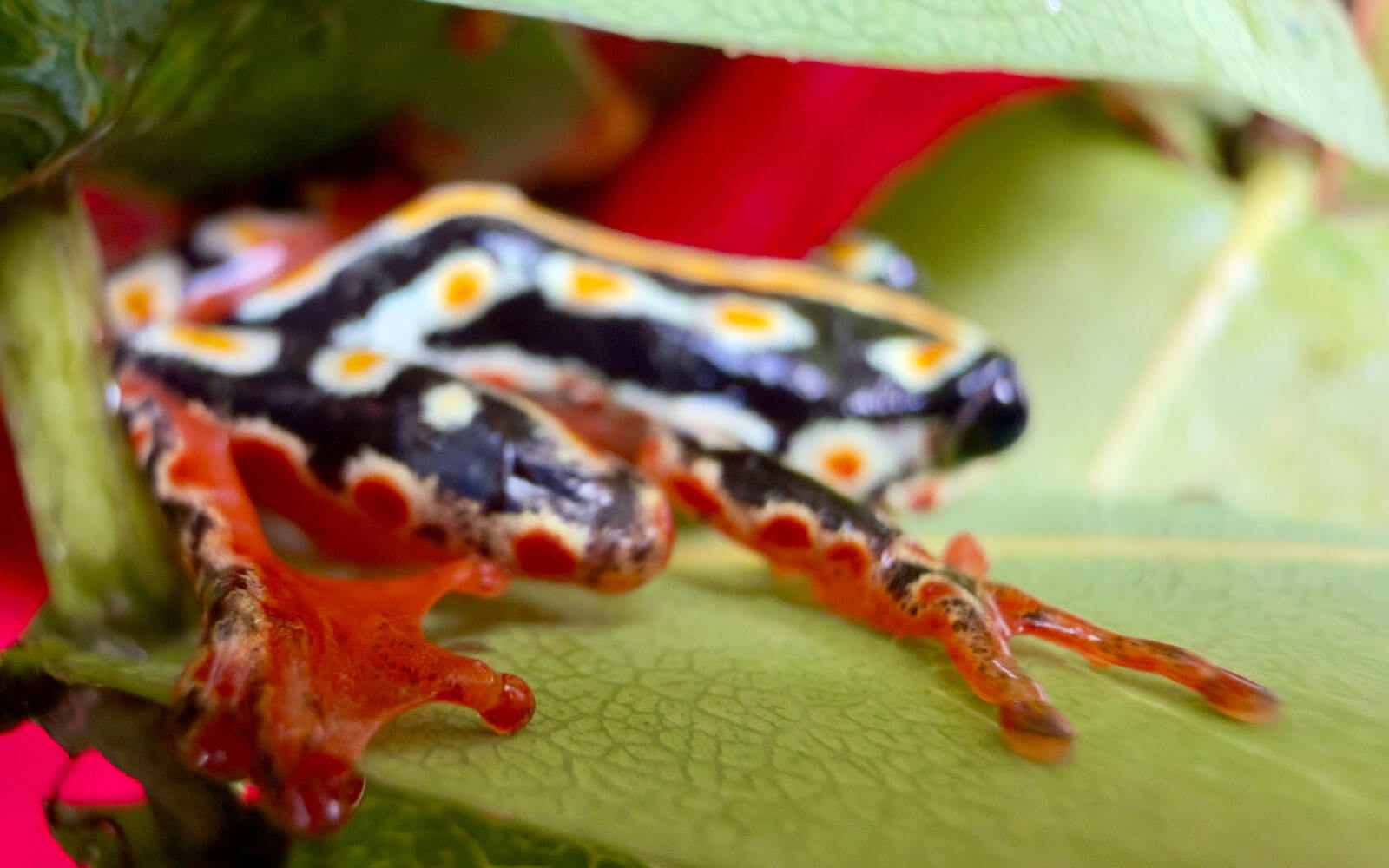
Painted Reed Frog (Hyperolius marmoratus)
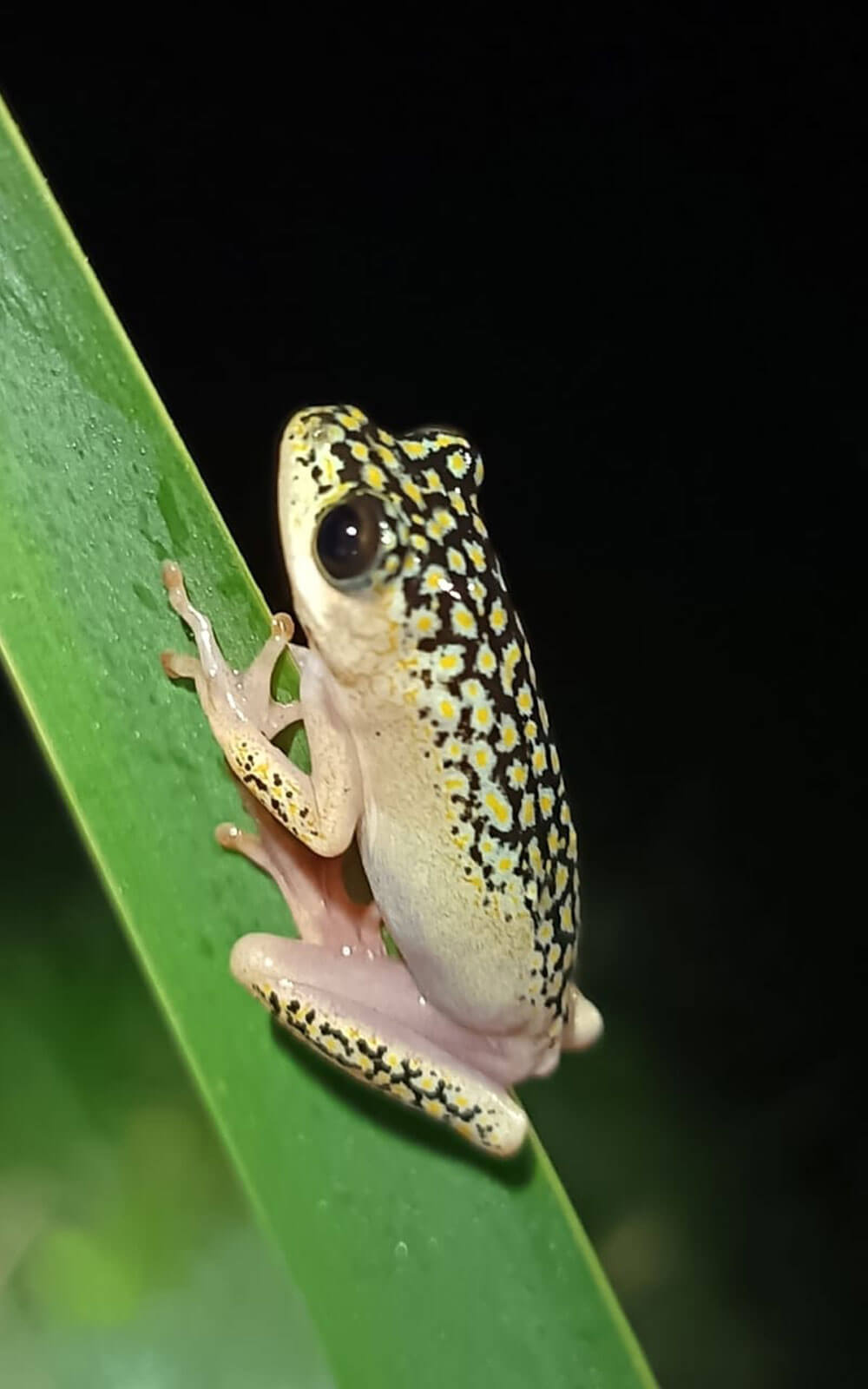
Painted Reed Frog (Hyperolius marmoratus)
Invasive amphibians in the context of KwaZulu-Natal
KwaZulu-Natal is potentially vulnerable to amphibian invasions because of its warm, humid climate and high diversity of wetlands, rivers, dams, and urban gardens. The province supports more than 70 amphibian species, making it one of South Africa’s amphibian hotspots.
Durban Harbour and associated transport networks also create major pathways for accidental introductions. Shipping containers, imported goods, and cargo vessels can all transport amphibians across continents.
One species of increasing concern is the Asian Common Toad (Duttaphrynus melanostictus), native to Southeast Asia, and which has become very problematic in Madagascar after accidental introduction. Although no established population has yet been confirmed in South Africa, several interceptions have occurred at ports of entry, and one specimen was previously recovered and euthanised.
A recent MSc project by UKZN student, Darren Mackintosh, assessed the likelihood of this species becoming invasive in South Africa. Darren concluded that KwaZulu-Natal’s climate and habitats are highly suitable for the species and that future introductions through shipping pathways are “probable.”
The Asian Common Toad has several characteristics that make it a dangerous potential invader. Females can lay up to 40 000 eggs at a time, tadpoles develop rapidly, and adults can survive in urban, agricultural, and disturbed habitats. Like the Cane Toad, the species produces toxic skin secretions that can poison predators unfamiliar with these toxins.
Darren’s study used advanced monitoring techniques, including passive acoustic monitoring and environmental DNA (eDNA), to search for evidence of the Asian Common Toad around wetlands, rivers, and ponds near the harbour. Fortunately, no populations were detected. However, the study emphasised that prevention and early detection remain critical.
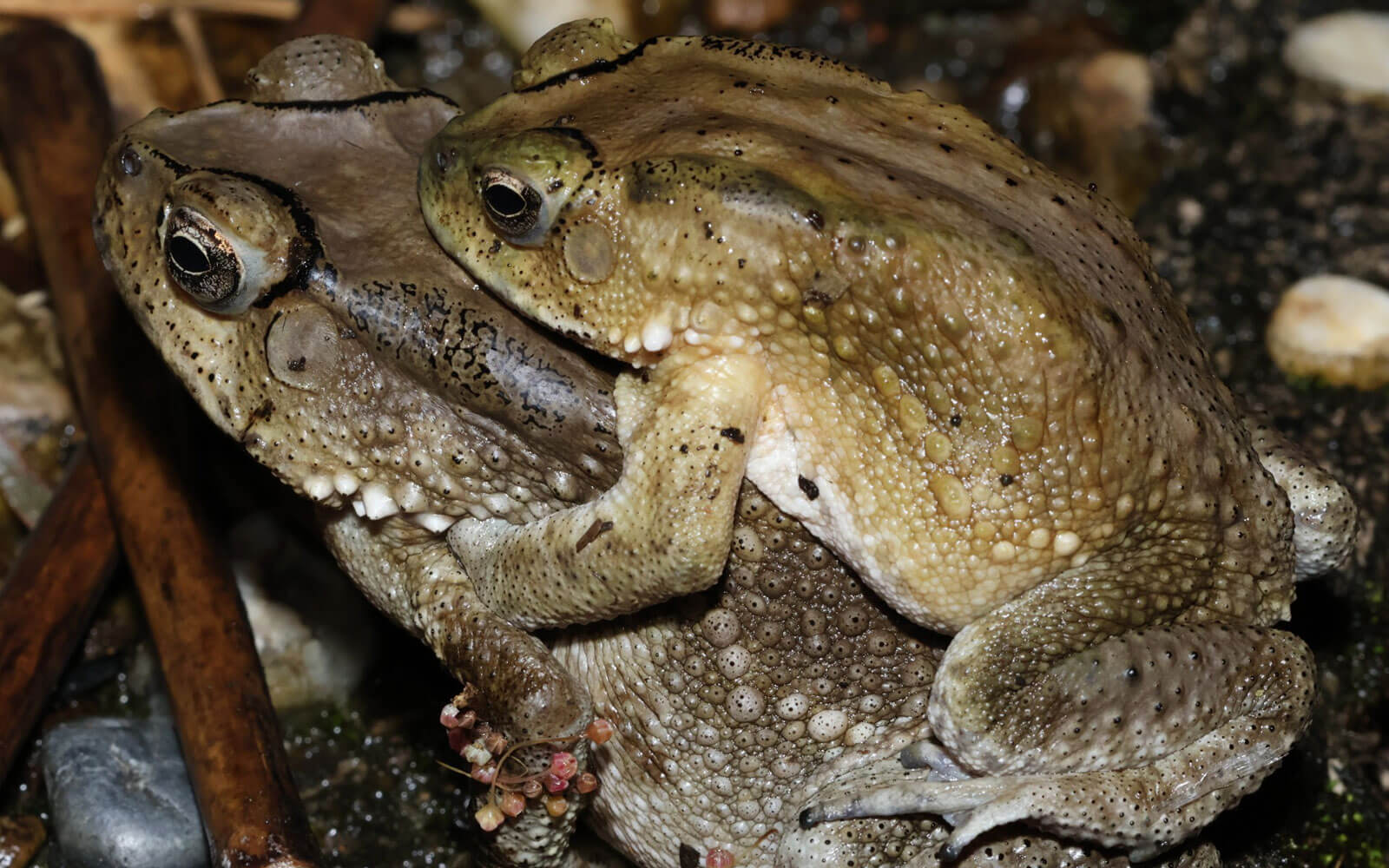
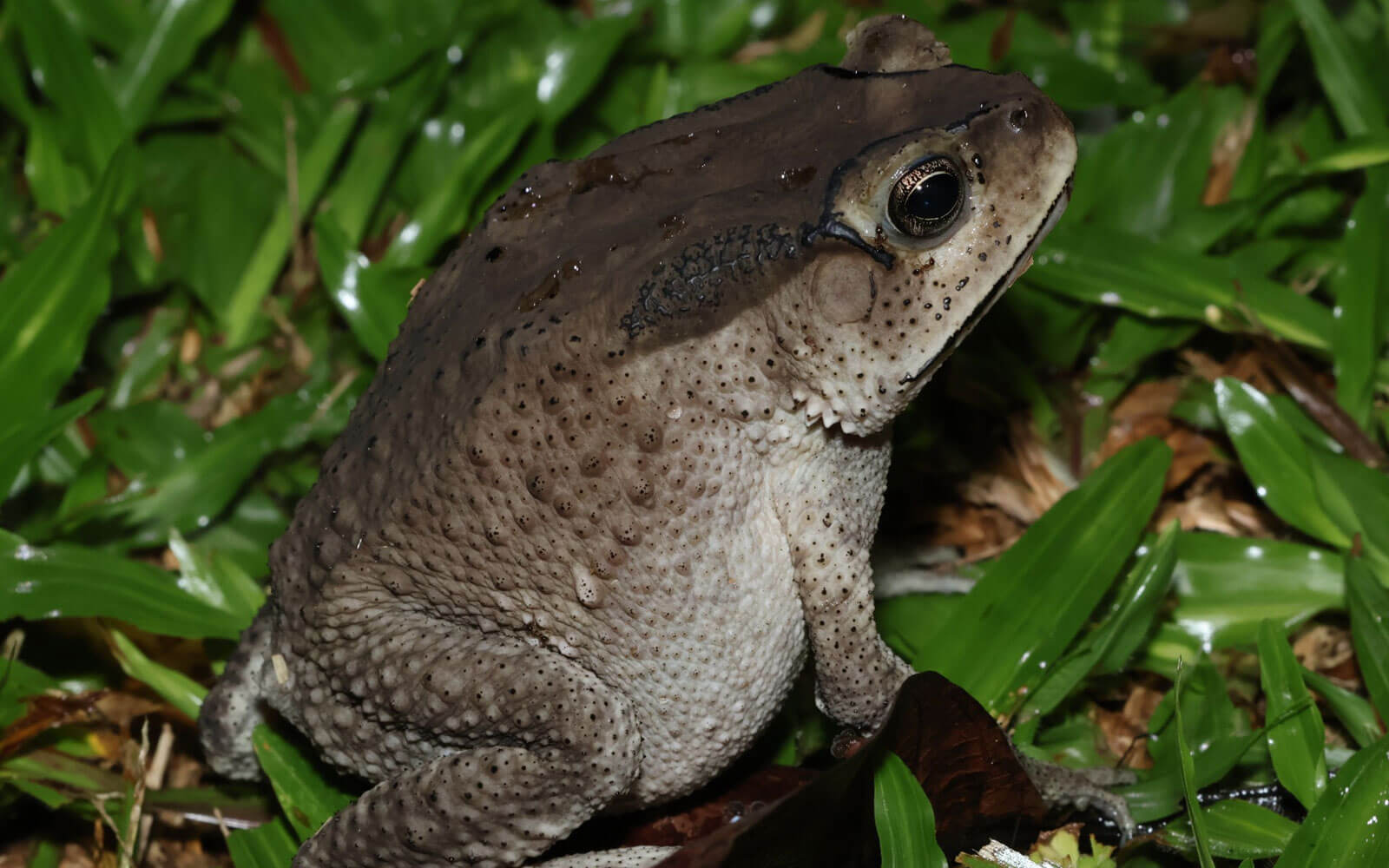
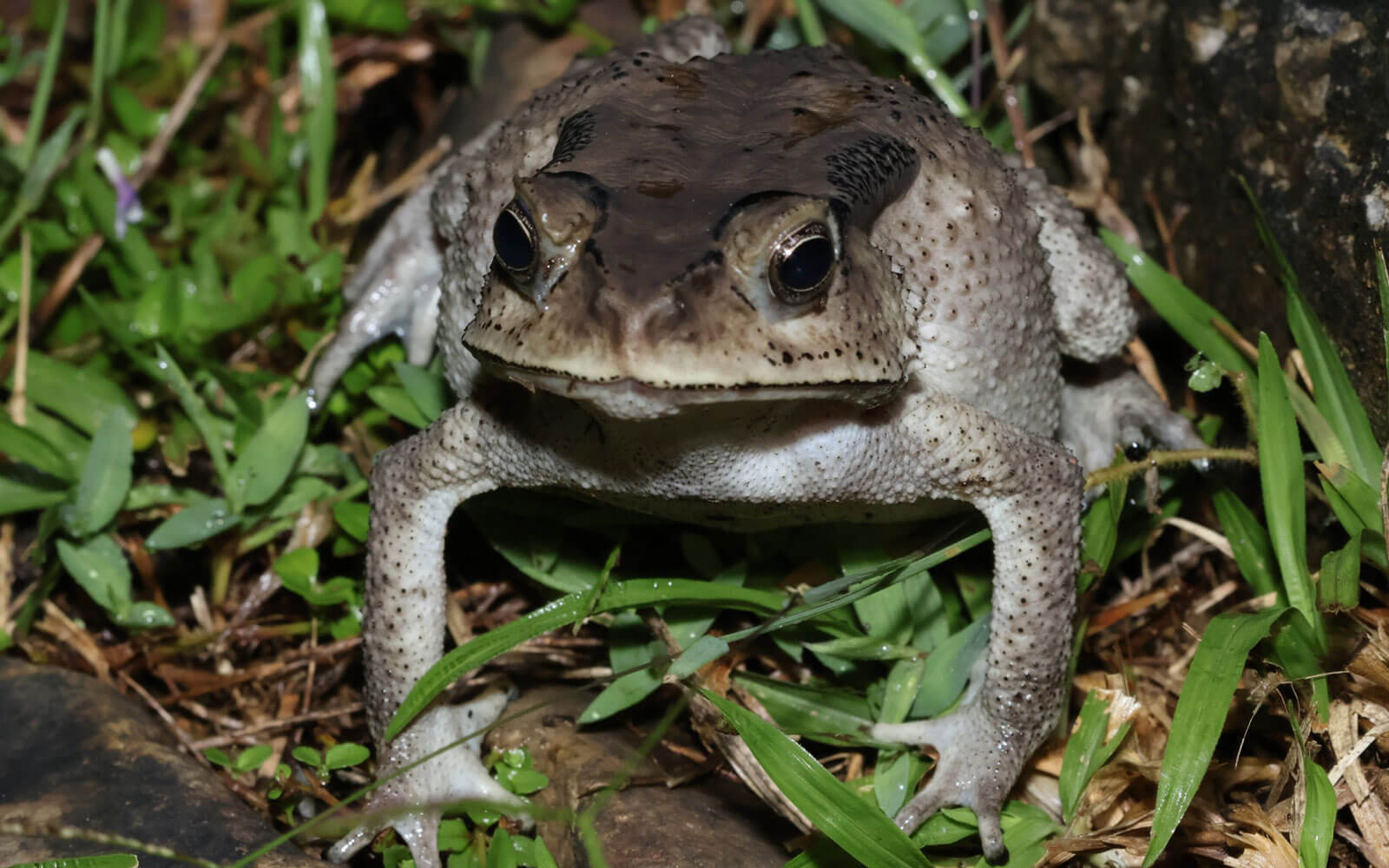
Asian Common Toad (Duttaphrynus melanostictus)
The costs of eradicating invasive amphibians increase dramatically once populations become established. In many cases worldwide, complete eradication becomes impossible, such as the Cane Toad in Australia, which has also been responsible for killing native fauna there.
Exotic pets and the wildlife trade
Although invasive species and the pet trade are closely linked, they are not exactly the same issue. The pet trade refers to the collection, breeding, sale, and ownership of animals for hobby or commercial purposes. Amphibians are increasingly popular in the exotic pet market because many species are colourful, unusual, or relatively easy to keep in captivity.
Globally, approximately 17% of amphibian species are known to be traded. Hundreds of these species are already threatened in the wild, while many others have never been properly assessed.
The internet and social media have transformed wildlife trade. Amphibians are now bought and sold through online pet stores, social media groups, messaging platforms, expos, and classified advertising websites. Species can be moved rapidly across borders with minimal oversight.
More research is needed to investigate amphibian trade in South Africa, including the sale of indigenous species and imported exotic species. Monitoring efforts include social media searches, pet shop surveys, online advertisements, expos, and confiscation records. While some trade is legal and regulated, several serious conservation risks remain.
Escape and release
One of the greatest concerns is the accidental or intentional release of exotic pets into the natural environment, where they may become invasive. Owners may release unwanted pets into local wetlands, ponds, or gardens when they become difficult to care for. Others may escape through damaged enclosures or flooding events. Even a small number of released individuals can become problematic if conditions are suitable for breeding. This is particularly concerning in subtropical regions such as Durban and the Upper Highway area, where mild winters and high rainfall create favourable conditions for amphibians.
Disease transmission
Perhaps the most serious hidden risk associated with amphibian trade is disease spread. The international trade in amphibians has been strongly linked to the spread of deadly pathogens such as chytrid fungus (Batrachochytrium dendrobatidis), which has caused catastrophic amphibian declines worldwide. Frogs transported through trade networks may carry diseases or parasites without showing obvious symptoms. Once introduced into natural ecosystems, these pathogens can spread rapidly among indigenous amphibian populations. South Africa already has documented chytrid infections in wild frog populations, making further disease introductions a major concern. A widespread South African species, the Common Platanna/African Clawed Frog (Xenopus laevis), which has historically been exported extensively around the world for research and medical purposes, is thought to be responsible for spreading chytrid fungus to native species in Europe and North America, highlighting the potential impacts in trade and global movement of frogs.
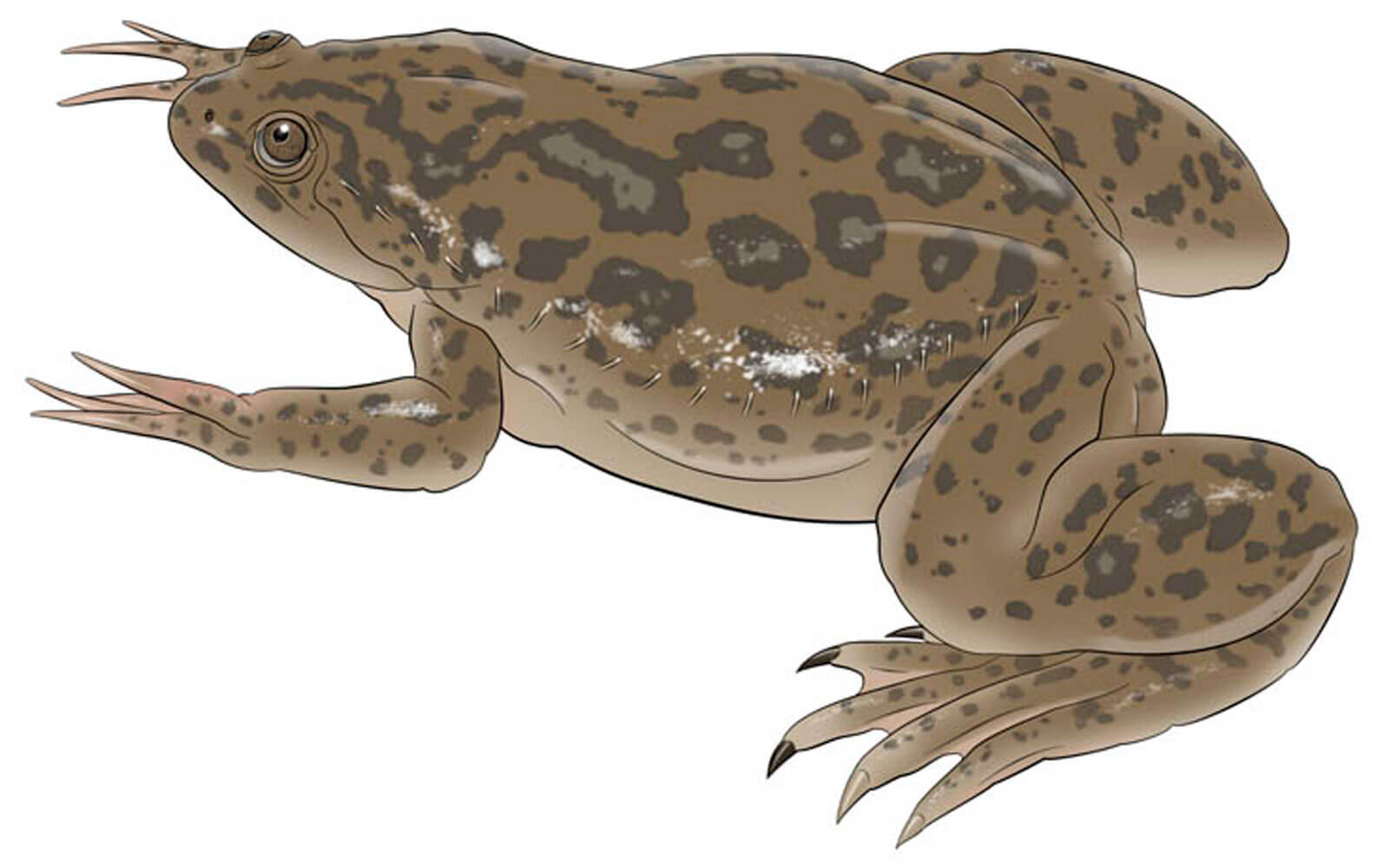
Common Platanna/African Clawed Frog (Xenopus laevis)
Image: Sally MacLarty for My First Book of Southern African Frogs
Pressure on indigenous amphibian species
Collectors may also target South African species directly. Rare, unusual, or visually attractive frogs can become desirable in specialist hobby markets. In some cases, frogs are harvested directly from the wild for sale. Growing international interest in Breviceps, the Rain Frogs, seems to be driving pet trade, but more research is needed to understand the impacts of this and the pathways of trade. This creates additional pressure on already vulnerable populations, especially for species with restricted distributions or low reproductive rates. Although amphibian trade in South Africa remains poorly documented, there is increasing concern that unsustainable collecting could threaten local species before adequate monitoring systems are in place.
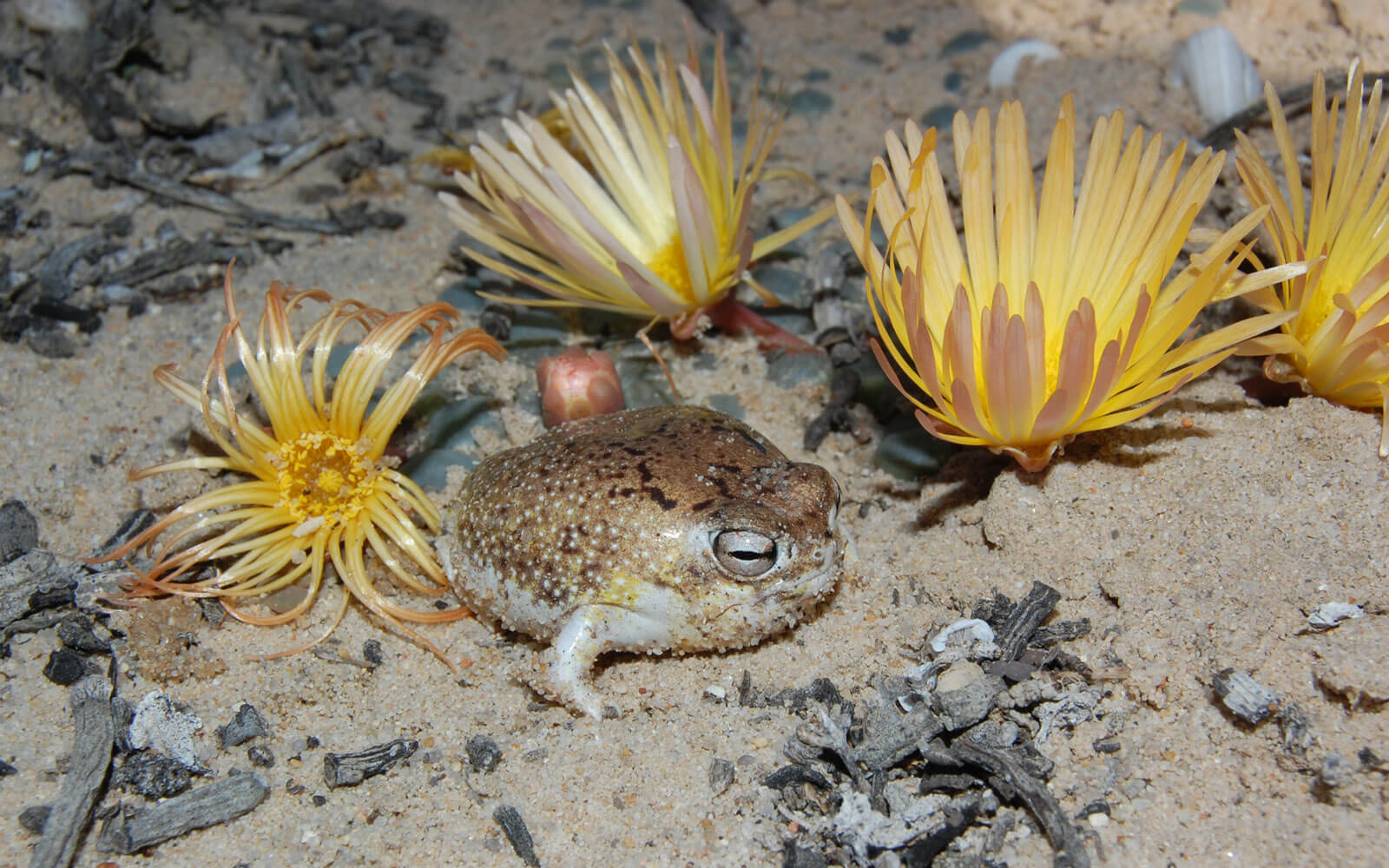
Desert Rain Frog Breviceps macrops
Hybridisation and genetic risks
Another lesser-known concern is interbreeding between closely related species or populations. If frogs are moved beyond their natural ranges, either intentionally or accidentally, they may hybridise with local populations. This can alter genetic integrity and potentially weaken local adaptations developed over thousands of years. Even indigenous frogs translocated between provinces or catchments could create ecological problems.
Exotic frog species flagged as potentially invasive
Not all exotic species are officially classified as invasive under NEMBA, but some still pose ecological risks. Various exotic reptiles, fish, birds, and amphibians are kept in captivity throughout South Africa. Some remain confined to homes, schools, breeding facilities, or pet shops, but the risk of escape is always present. Aquatic species are particularly problematic because unwanted pets are often released into dams, ponds, or rivers. The American Bullfrog (Lithobates catesbeianus), for example, has become invasive in many parts of the world and is known to spread disease and outcompete indigenous amphibians. While not established in South Africa, it demonstrates how quickly amphibian invasions can become serious elsewhere. Similarly, poison dart frogs, exotic newts, and various tropical amphibians occasionally appear in the pet trade. Although many may never survive in local conditions, climate change could increase the suitability of South African habitats for exotic species in future.
What can communities do?
Preventing invasive amphibian introductions is far easier and cheaper than trying to remove established populations. Conservancies and local communities can play a critical role in early detection and awareness. Residents should avoid releasing unwanted pets into natural environments under any circumstances. Responsible pet ownership includes understanding the long-term care requirements of exotic species. People working near ports, transport depots, nurseries, or industrial areas should also be trained in identification and reporting of unusual frogs or toads, particularly around shipping containers and wet environments.
Photographs and recordings of unfamiliar species can be extremely valuable for researchers. Citizen science platforms such as iNaturalist are increasingly important tools for tracking species distributions and detecting unusual sightings. Maintaining healthy indigenous ecosystems is equally important. Wetlands, grasslands, and natural vegetation provide resilience against biological invasions. Disturbed and degraded habitats are often more vulnerable to invasive species establishment. For Kloof Conservancy members, invasive animal awareness can complement ongoing work on alien invasive plants. Healthy ecosystems require attention to all components of biodiversity.
A shared responsibility
Amphibians are facing unprecedented global pressures, and the interaction between habitat loss, climate change, disease, invasive species, and wildlife trade creates a complex conservation challenge. South Africa remains fortunate in that many of the world’s most damaging invasive amphibians have not yet established here. However, increasing global trade, expanding transport networks, online wildlife sales, and changing climates all increase the risk of future invasions. Fortunately, South African legislation is very robust when it comes to importing captive frogs as pets, making it difficult for the public to acquire internationally traded exotic frog species.
In terms of potentially invasive species, the Asian Common Toad serves as an important example. Although not currently established in South Africa, research shows that KwaZulu-Natal could provide ideal conditions if introductions continue. The lesson from many invasive species worldwide is simple: once establishment occurs, eradication becomes extremely difficult. Conservation therefore depends on prevention, vigilance, legislation, and public awareness. Frogs may be small and often overlooked, but they are essential components of healthy ecosystems. Protecting South Africa’s indigenous amphibians means not only conserving wetlands and natural habitats, but also understanding the hidden risks associated with invasive species and the wildlife trade.
In the end, protecting frogs, protects entire ecosystems and the services these provide that humans benefit from daily.
Portions of this document were developed with assistance from ChatGPT, an AI language model developed by OpenAI. The authors reviewed, edited, and take responsibility for the final content.
References
Mackintosh, D. 2025. Proactive planning to prevent alien amphibian invasions in South Africa — Using Duttaphrynus melanostictus (Schneider, 1799) as a case study to compare detection methods. A thesis submitted to the School of Life Sciences, College of Agriculture, Engineering and Science, University of KwaZulu-Natal, Westville, for the degree of Master of Science (MSc) by Research in Life Sciences.
Re:wild, Synchronicity Earth, IUCN SSC Amphibian Specialist Group. 2023. State of the World’s Amphibians: The Second Global Amphibian Assessment. Texas, USA: Re:wild
Visser, D. Investigating trade as a threat to South Africa’s indigenous amphibians. MSc thesis proposal. University of Pretoria
NEMBA list of invasive amphibian species
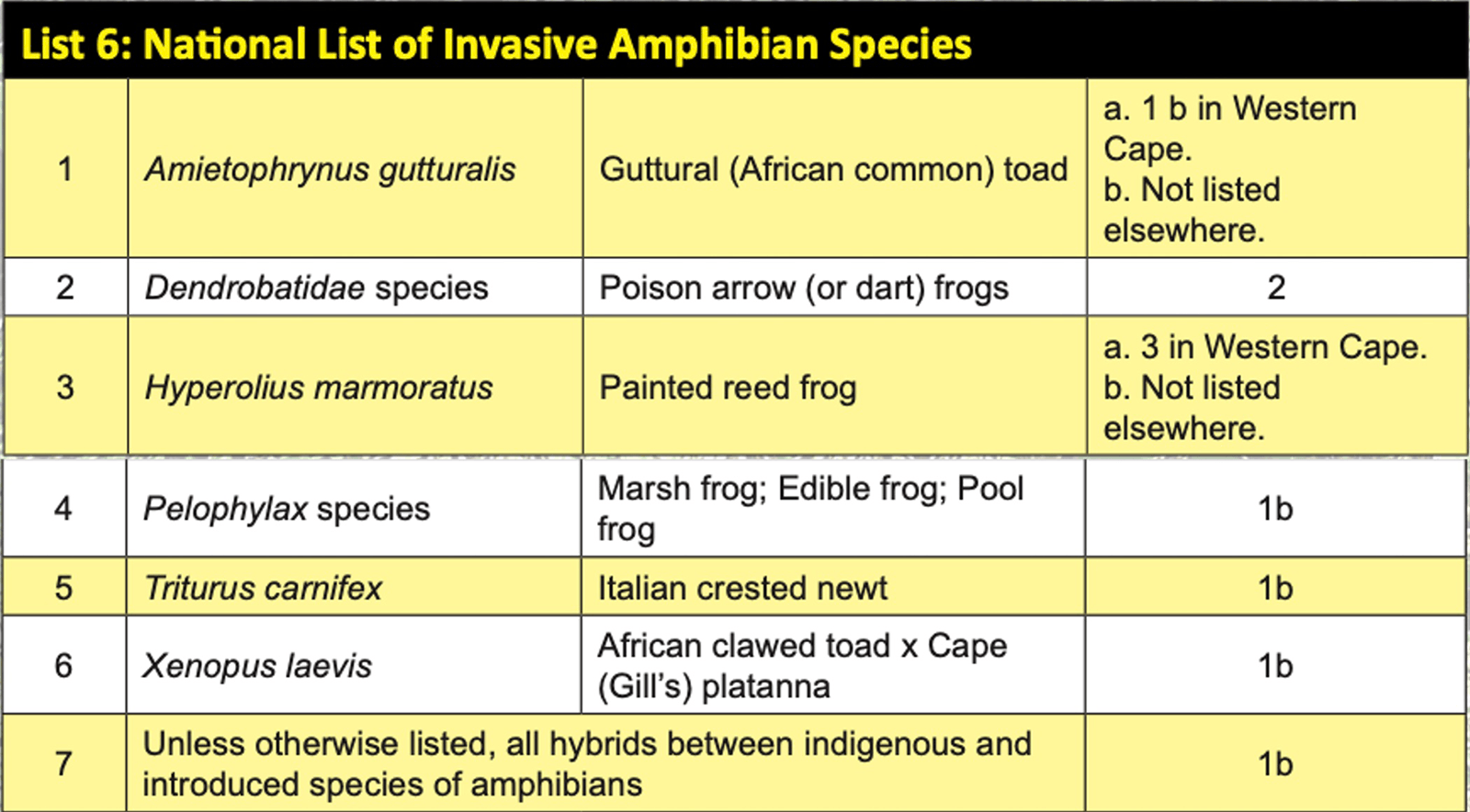
Find the NEMBA list here. See page 29 for amphibians.

About the authors
Jeanne Tarrant, aka the “Frog Lady”, has worked in amphibian conservation and research for 18 years. Her passion for amphibians was ignited when she enrolled at North-West University in 2006 and went on to complete an MSc (2008, cum laude) and PhD (2012) through the African Amphibian Conservation Research Group. Thereafter, she conceptualised the Endangered Wildlife Trust’s Threatened Amphibian Programme (TAP) and ran successful projects across South Africa focused on the country’s threatened frog species for 12 years. In 2024 she embarked on a new amphibian-focused venture in the form of Anura Africa.
At Anura Africa, we aim to implement landscape-level amphibian conservation supported by scientific evidence and research. Anura Africa is committed to advancing amphibian conservation by identifying needs and knowledge gaps in South Africa and across the continent, bolstering research capacity through citizen science and partnerships with academic institutions, and implementing conservation actions informed by evidence. We strive to conserve and develop sustainable landscape-level habitat protection by implementing best practice natural resource management interventions aimed at ensuring the conservation of critical amphibian habitat. Our approach is guided by global amphibian conservation priorities, with a focus on enhancing ecosystem resilience and fostering species adaptation. Integral to our mission is supporting mindset shifts towards African amphibian conservation by improving awareness of the importance of amphibians, facilitating skills transfer, and strengthening local capacity. In her role as chair for the southern Africa regional working group for the IUCN’s Amphibian Specialist Group, Jeanne is well-placed to support these objectives.
In 2020, Jeanne was the recipient of the prestigious Whitley Award, or “Green Oscar” for her work in conservation, a career highlight with Sir David Attenborough narrating this short video. This award is given to grassroots conservationists from the global south – i.e., Africa, Asia and South America. Jeanne was one of 112 applicants, short-listed down to 6 winners, and the only recipient with a project focused on amphibians. Edward Whitley, founder of the Whitley Fund for Nature, said that Jeanne is an inspiring leader who tirelessly advocates for amphibians – an often-overlooked group. “We hope that this award will allow her to spread her important message far and wide and bring about real change for amphibians and their habitat through science, policy, and community education.” In 2024, Rolex recognised Jeanne’s work (one of 1500 applicants) through an exceptional small grant linked to the Rolex Awards for Enterprise, one of the pillars of the Rolex Perpetual Planet initiative, catalysing the launch of Anura Africa.
Anura Africa’s vision is to use research and conservation management to promote the resilience of ecosystems in multi-use landscapes. We advocate for amphibians as indicators of microhabitat health within larger conservation areas. By focusing on these indicators, Anura Africa aims to ensure the health of entire ecosystems, benefiting a wide range of species and ecological functions.
Instagram: anura_africa
Facebook: Anura Africa
LinkedIn: Anura Africa NPC
Richard Berridge provides fundraising and strategic support to Anura Africa.